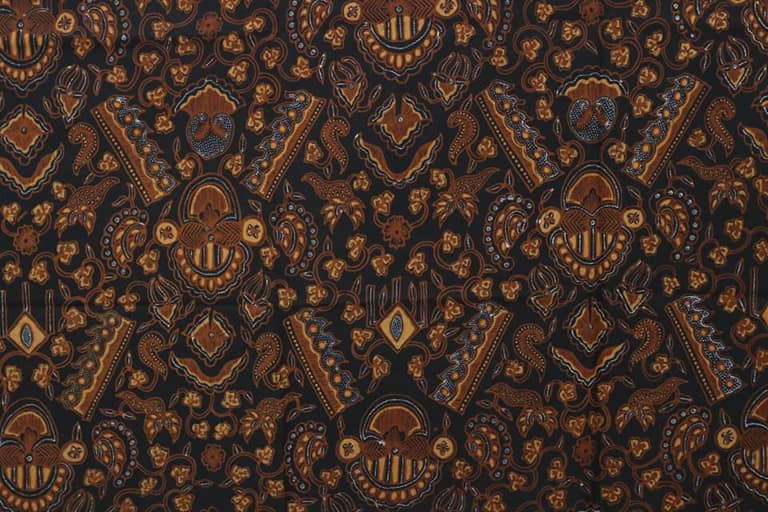
Authentic Batik Tulis from Solo Indonesia: Heritage Craftsmanship, Luxury Fabrics, and Timeless Cultural Value
Authentic batik tulis from Solo Indonesia is a living expression of heritage, patience, and cultural refinement. Created entirely by hand, each fabric carries layers of meaning shaped through time, tradition, and human touch. It is not merely a textile, but a quiet embodiment of philosophy, dignity, and aesthetic awareness. To understand batik tulis is to recognize that beauty can grow slowly, and meaning can reside in the smallest details.
And yet, beyond its visible elegance, batik tulis speaks in a softer language. It does not demand attention. Instead, it invites us to pause, to observe, and to feel what has been carefully placed within it.
The Quiet Presence of Batik in Everyday Life
We often see batik worn in formal settings—offices, ceremonies, and gatherings that call for respect. It appears as something appropriate, something expected. However, not everyone who wears it fully understands what it carries.
Many choose batik simply because it is required. The decision is practical, not reflective. As a result, the cloth is present, but its meaning remains distant.
This quiet gap between wearing and understanding slowly changes how batik is perceived. It becomes visible, yet its depth fades into the background.
When Choice Becomes Confusion
Today, batik is widely available in countless patterns, colors, and styles. At first glance, this abundance seems beneficial. Yet, it often leads to uncertainty rather than clarity.
We notice garments filled with overly crowded motifs, chosen because they appear striking. We see patterns worn without consideration of context, occasion, or meaning. And gradually, the essence of batik becomes diluted.
Wearing batik is not about choosing what is most eye-catching. It is about choosing what feels appropriate—what aligns with the moment, the place, and the presence we bring.
A Fabric That Remembers the Hands That Created It
Authentic batik tulis is formed through a process that requires patience and precision. Each line is drawn by hand using a canting tool, each layer of wax carefully applied, and each color introduced gradually through repeated dyeing.
The fabric remembers these moments. It holds the quiet rhythm of the artisan’s hands, the steadiness of their focus, and the time they have given without haste.
Colors do not simply appear—they grow through stages. Motifs do not merely decorate—they carry stories. And the cloth itself becomes something alive, shaped through human presence.
At Batikdlidir, thousands of handmade batik fabrics reflect this process. Crafted on primissima cotton, gamelan cotton, and kereta kencana cotton, each piece undergoes three stages of dyeing and three stages of hand canting. The result is not only visual harmony, but a sense of calm that can be quietly felt.
Batik as a Language of Attitude
Batik communicates without words. It reflects how we carry ourselves, how we respect others, and how we position ourselves within a moment.
A balanced motif suggests composure. A restrained pattern reflects humility. A thoughtful choice reveals awareness.
In this way, batik becomes a language of attitude. It speaks through subtlety, not through excess.
Motifs That Whisper Meaning
Traditional batik motifs from Solo are shaped by philosophy rather than decoration. Each pattern carries a message that has been preserved across generations.
Parang reflects strength and continuity, moving in a steady diagonal rhythm. Kawung represents balance and self-control through its symmetrical form. Sido Mukti carries a quiet hope for prosperity and inner harmony.
These motifs do not seek attention. They offer guidance—softly, consistently, and with depth.
For those who wish to explore deeper meaning and rarity, you may reflect further through historical batik motifs for collectors from Solo Indonesia, where each motif reveals its own story and cultural weight.
As we return to these patterns, we begin to see that batik is not static. It evolves within us as our understanding grows.
Understanding Through Comparison
Not all batik carries the same process or intention. Batik tulis, batik cap, and printed batik differ not only in technique, but in presence.
Batik tulis is drawn entirely by hand, allowing slight irregularities that give the fabric life. Batik cap uses stamped patterns, creating consistency but reducing individuality. Printed batik removes the process altogether, leaving only a visual resemblance.
The difference is subtle at first, yet deeply felt over time. One holds memory, while the others replicate appearance.
Choosing with Awareness
Choosing batik is not about finding the most complex design. It is about sensing what feels right.
A calm motif may suit a reflective occasion. A structured pattern may align with formal settings. The material also speaks—its softness, its breathability, its quiet comfort against the skin.
Authentic batik tulis often reveals itself through detail: slight variations in lines, depth within color, and a certain warmth that cannot be replicated.
For those who seek a more refined interpretation, where tradition meets contemporary elegance, you may explore bespoke hand-drawn batik for luxury fashion brands in Solo, where each piece is shaped with intention and modern sensitivity.
Over time, choosing batik becomes less about selection, and more about understanding.
The Value Beyond Price
Authentic batik tulis is often associated with higher value, yet its worth is not defined by price alone. It reflects time, patience, and the human effort embedded within each piece.
A single cloth may take weeks or months to complete. Each stage requires attention and care, resulting in a fabric that carries depth rather than surface beauty.
At Batikdlidir, authentic batik tulis is available within the range of IDR 1–2 million for a standard size of 240 x 110 cm. Yet what is received extends beyond material—it is a continuation of tradition and craftsmanship.
From Appreciation to Ownership
Understanding batik tulis often begins quietly. At first, we observe. Then we begin to feel. And eventually, appreciation turns into connection.
Ownership, in this sense, is not about possession. It is about participation—becoming part of a cultural story that has been carried across generations.
Through authentic hand drawn batik tulis, we begin to understand that wearing batik is an act of respect—toward the process, the artisan, and the meaning within it.
And as this understanding deepens, our choices begin to change naturally.
A Gentle Invitation
If you feel drawn to this quiet depth, you may begin with simple awareness. Observe the patterns. Feel the texture. Allow yourself to notice the difference.
At Batikdlidir, thousands of authentic hand-drawn batik collections are available, each carrying its own character and story. They are not presented as products, but as reflections of craftsmanship shaped over time.
If you wish to explore further, a conversation can begin through WhatsApp at 0822 6565 2222 with Pak Muzakir. Not as a transaction, but as a continuation of understanding.
Frequently Asked Questions
What is authentic batik tulis?
Authentic batik tulis is a hand-drawn batik created using a canting tool and traditional wax-resist dyeing. Each piece is unique and reflects the artisan’s process and cultural meaning.
How can I distinguish batik tulis from batik cap?
Batik tulis shows natural irregularities and depth in its patterns, while batik cap appears more repetitive due to stamping techniques.
How long does it take to produce batik tulis?
The process can take weeks to several months, depending on the complexity of the design and the number of dyeing stages.
What materials are commonly used?
High-quality batik tulis is often made from primissima cotton, gamelan cotton, and kereta kencana cotton, offering comfort and durability.
Why is batik tulis valuable?
Its value lies in the time-intensive process, the skill involved, and the cultural meaning embedded in each motif.
When should batik tulis be worn?
Batik tulis is suitable for formal occasions, cultural ceremonies, and meaningful gatherings where presence and respect are important.
Can batik tulis be worn in modern fashion?
Yes, when thoughtfully designed, it blends seamlessly with contemporary styles while maintaining its cultural essence.
Closing Reflection
Batik tulis does not rush to be understood. It unfolds slowly, revealing its meaning through time and attention.
May we wear it with awareness, carry it with respect, and honor the quiet stories it holds.
And may we be given health, peace, and blessed sustenance in every step we take.
🎨 Premium Handmade Batik Tulis
Discover exclusive collections only at Batikdlidir
💎 Price starts from IDR 1M – 2M+ per piece (240 x 110 cm)
✔ Authentic artwork, not just fabric
Crafted with premium cotton:
• Primissima
• Gamelan
• Kereta Kencana
Traditional batik process:
• Triple dyeing technique
• Handmade canting process (3x)
📞 +62 822 6565 2222
(Mr. Muzakir)
💬 Consult & Choose Your Batik Now |
🔥 Limited stock • Exclusive patterns (not mass-produced)