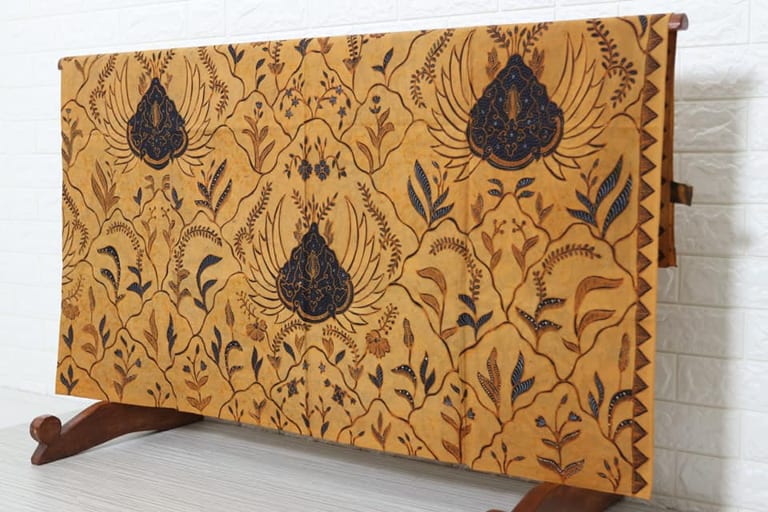
Traditional Dyeing Masterclass: The Ultimate Guide to Indonesian Batik Craftsmanship, Hand-Dyeing Techniques, and Cultural Heritage
Traditional dyeing masterclass in Indonesian batik craftsmanship is an immersive journey into natural dyeing, cultural philosophy, and refined hand-drawn textile artistry. It brings together techniques such as batik tulis, indigo dyeing, and plant-based color extraction, while revealing how patience and human intention shape every motif. Authentic batik is not merely created—it is cultivated through time, care, and cultural awareness.
And so, to understand batik is not to look at fabric, but to listen to what it quietly carries.
When Batik Becomes Presence Without Meaning
Today, batik is everywhere. It appears in offices, ceremonies, and formal gatherings, worn as a sign of respect and cultural identity.
Yet, often it is chosen quickly. Patterns are selected without reflection, and motifs are worn without understanding the meaning they hold.
In this quiet shift, batik remains visible—but its depth begins to fade.
To return to its essence, we may begin by exploring the roots of
the depth of Indonesian craftsmanship
, where every line is shaped with awareness.
The Mistakes We Rarely Realize
Sometimes, batik feels too crowded. Motifs overlap without harmony, creating noise instead of balance.
At other times, pieces meant for sacred or formal occasions are worn casually, without recognizing their symbolic weight.
There are also moments when trends lead our choices. Printed batik may resemble tradition, yet it lacks the quiet soul that grows through process.
These are not failures, but invitations—to see more clearly.
The Long Journey Behind Authentic Batik Tulis
To understand batik tulis, we must slow down.
The process begins with fabric—often primissima cotton, gamelan cotton, or kereta kencana cotton—materials chosen for their ability to receive both dye and meaning.
Then comes the hand. A canting moves gently, drawing lines of wax that resist color while guiding its path.
This process repeats—three times canting, three times dyeing—allowing colors to deepen gradually, like stories that mature with time.
The fabric remembers. It holds the rhythm of hands, the patience of process, and the silence between movements.
Learning Through Traditional Dyeing Masterclass
Across cultures, traditional dyeing masterclasses have become quiet spaces of rediscovery. These immersive experiences—often lasting several days—invite participants to understand color as something that grows, not something applied.
Natural dyes are prepared from plants such as indigo, madder, pomegranate, and roots. Fibres are treated with care, mordants introduced slowly, and colors emerge with patience.
In places like Bali, the tradition is preserved through studios that reconnect learners with Indonesian textile heritage. Meanwhile, in Japan, indigo dyeing continues as a disciplined practice shaped by ritual and precision.
Participants learn through touch—through batik wax-resist, shibori folding, and ikat preparation. From raw fiber to finished cloth, the journey becomes complete.
And in that process, color becomes memory.
Batik as a Language of Attitude
What we wear speaks quietly before we do. Batik reflects awareness—of self, of space, and of others.
A well-chosen piece does not seek attention. It aligns with the moment, carrying calmness, balance, and appropriateness.
In this way, batik becomes not decoration, but expression.
Motifs That Carry Stories
Each motif speaks in its own language.
Parang flows like an unbroken wave, symbolizing strength and continuity. Kawung reflects balance and inner control. Sido Mukti carries hope for harmony and prosperity.
To explore how these expressions evolve visually, we may also see how
hand-painted textile traditions
allow individuality to appear in every line.
And when we wear these motifs, we do not simply display them—we continue their story.
Recognizing Authenticity Without Hurry
There is a quiet difference between batik tulis, batik cap, and printed batik.
Batik cap follows rhythm—patterns repeat through stamping. Printed batik offers visual resemblance, yet remains surface-level.
But batik tulis lives differently. Its lines are alive, slightly imperfect, deeply human. The front and back share the same story, because it is written through the fabric.
To understand this deeper, one may reflect further through
authentic hand drawn batik tulis
, where patience becomes visible.
Choosing Batik with Awareness
Choosing batik is not about complexity, but harmony.
For formal settings, calm tones and balanced motifs create quiet elegance. For cultural ceremonies, traditional patterns carry deeper meaning. For daily wear, simplicity offers comfort without losing identity.
In this way, selection becomes reflection.
Ownership as a Form of Connection
There comes a moment when appreciation becomes personal.
At Batikdlidir, thousands of handmade batik fabrics are available, each created through a patient process of three times dyeing and three times hand canting.
With sizes around 240 x 110 cm and a price range of IDR 1–2 million, each piece reflects not luxury, but the value of time, craftsmanship, and cultural meaning.
Available in primissima cotton, gamelan cotton, and kereta kencana cotton, every fabric carries a quiet dignity shaped by human hands.
A Gentle Step Toward Understanding
When understanding grows, the desire to own follows naturally.
If you feel drawn to explore further, a quiet conversation may begin through WhatsApp at 0822 6565 2222 with Pak Muzakir—not to rush, but to understand, to feel, and to choose with awareness.
Because the right batik is not selected quickly. It is recognized.
Frequently Asked Questions
What is authentic batik tulis?
Authentic batik tulis is hand-drawn batik created using a canting tool and wax, where every line is applied manually and carries cultural meaning.
How can I distinguish batik tulis from batik cap or printing?
Batik tulis shows natural, irregular lines and identical patterns on both sides. Batik cap is stamped, while printed batik lacks depth.
How long does the process take?
The process can take weeks to months, especially with multiple dyeing and canting stages.
What materials are used?
Common materials include primissima cotton, gamelan cotton, and kereta kencana cotton for comfort and durability.
Why is batik tulis valuable?
Its value comes from manual craftsmanship, time-intensive processes, and cultural meaning embedded in each motif.
When should batik tulis be worn?
Batik tulis is ideal for formal events, cultural ceremonies, and meaningful occasions.
Is batik tulis a luxury item?
It is not merely luxury, but a reflection of awareness, respect, and appropriateness.
A Quiet Closing
In the end, batik teaches us to slow down. To see beyond surface, to feel beyond form.
May every fabric we wear carry calmness in our steps, clarity in our intentions, and warmth in our presence.
And may our journey always be guided with health, peace, and blessed sustenance.
🎨 Premium Handmade Batik Tulis
Discover exclusive collections only at Batikdlidir
💎 Price starts from IDR 1M – 2M+ per piece (240 x 110 cm)
✔ Authentic artwork, not just fabric
Crafted with premium cotton:
• Primissima
• Gamelan
• Kereta Kencana
Traditional batik process:
• Triple dyeing technique
• Handmade canting process (3x)
📞 +62 822 6565 2222
(Mr. Muzakir)
💬 Consult & Choose Your Batik Now
🔥 Limited stock • Exclusive patterns (not mass-produced)
 WhatsApp Mr Mudzakir