Why Artisanal Batik Fabric Is the Premium Choice for Elegant Clothing and Custom Textile Design
Artisanal batik fabric is considered a premium textile because it unites artistic authenticity, noble materials, and cultural meaning in a way modern mass production cannot fully imitate. Each handcrafted piece carries the quiet imprint of human patience, where wax, color, and cloth meet in a slow dialogue of skill and feeling. More than elegant material for fashion or bespoke design, artisanal batik becomes wearable art—fabric that remembers time, motifs that whisper tradition, and colors that carry calmness into everyday life.
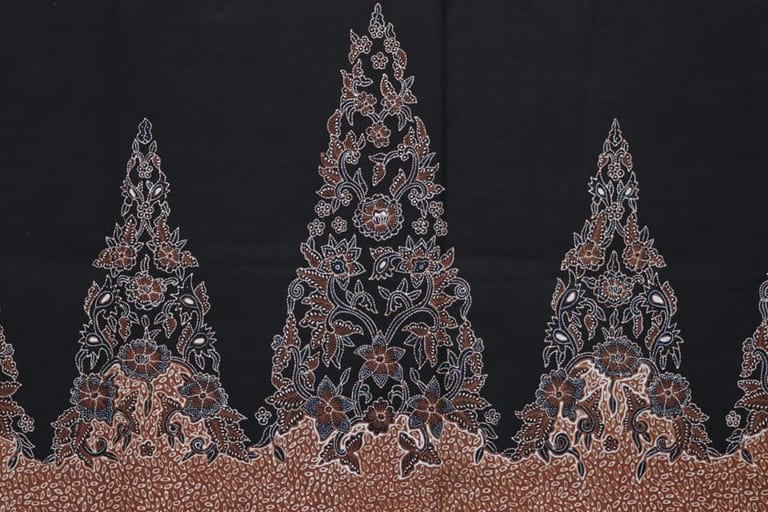
Across Java, cloth has long been understood as more than attire. It reflects appropriateness, taste, and inward composure. In that quiet philosophy, wearing batik becomes not only a matter of appearance, but also an expression of respect—for craft, for meaning, and for the wisdom gently woven into every line.
This is why artisanal batik fabric continues to hold a special place in elegant clothing and custom textile design. Its beauty does not rely on loud display. Instead, it speaks softly, yet remains deeply memorable.
The Quiet Nobility of Artisanal Batik Fabric
True artisanal batik begins with patience. Hot wax is guided by hand through a delicate canting tool, tracing motifs slowly across fine cloth with calm precision. The artisan does not chase speed, because haste leaves restless lines, while patience creates harmony that the eye can quietly feel.
That human touch is the first reason artisanal batik remains premium. Unlike printed textiles, hand-drawn batik tulis and carefully crafted hand-stamped batik cap reveal subtle variations that machine repetition cannot replicate. In those gentle irregularities, fabric begins to feel alive—as if each motif carries its own breath and quiet rhythm.
The old masters believed cloth should possess inner feeling. They understood that lines made by hand hold presence. This is why authentic hand drawn batik tulis continues to be admired not merely for visual beauty, but for the soul that quietly resides within its making.
The Human Touch, Noble Materials, and Enduring Beauty
Premium craftsmanship naturally seeks noble materials. Fine primissima cotton offers remarkable softness, breathability, and graceful drape, while silk creates luminous elegance that catches light with calm sophistication. Kereta kencana cotton and gamelan cotton also hold their own refined character, receiving wax and color beautifully while preserving comfort and structure.
This depth of craftsmanship can also be seen in exquisite hand-painted batik silk, where artistry, texture, and cultural grace come together in especially refined form. Whether on cotton or silk, handcrafted batik carries a richness that matures beautifully with time.
Traditional layered coloring deepens that sense of permanence. At Batikdlidir, many handcrafted works are shaped through 3x dyeing and 3x hand canting, allowing color to settle deeply into the fibers while motifs gain layered richness and quiet visual depth. Rather than fading into age, such cloth often grows softer, calmer, and more characterful—like wood polished gently by years of touch.
Available at Batikdlidir are thousands of authentic handmade batik fabrics, each reflecting this patient tradition. Many pieces measure around 240 x 110 cm, often valued around IDR 1–2 million per piece—not simply as cloth, but as accumulated patience made visible.
Where Motifs Speak in Quiet Wisdom
Javanese batik has always spoken through symbolism. Motifs are not merely decoration, but reflections of character, hope, and life philosophy carried gently through generations.
Parang symbolizes resilience, discipline, and enduring strength. Its flowing rhythm resembles waves that continue meeting the shore, reminding us that dignity is shaped by consistency rather than display. Truntum speaks of loyalty and guiding love, while Kawung reflects balance, purity, and measured wisdom. Sido Mukti quietly carries prayers for prosperity, harmony, and blessed well-being.
These are motifs that whisper tradition. Yet their whisper often remains in the heart longer than louder modern ornament.
Exclusivity in Custom Textile Design
For elegant clothing and bespoke textile design, artisanal batik offers something increasingly rare—true exclusivity. A motif may gently incorporate philosophy, identity, or symbolic intention, making fabric deeply personal and culturally grounded at once.
No two handcrafted lengths of cloth ever fully speak in the same voice. Slight shifts in wax flow, hand movement, and layered coloring create quiet uniqueness in every piece. That individuality is why artisanal batik feels more like collected art than manufactured fashion.
In a world shaped by repetition, handcrafted batik remains beautifully singular.
A Slow Fashion of Substance and Grace
Choosing artisanal batik is also a quiet ethical choice. It supports local artisans, preserves inherited cultural knowledge, and honors slow craftsmanship in an era increasingly dominated by fast production and fleeting trends.
Handcrafted batik belongs to the spirit of slow fashion—where quality matters, human labor is respected, and cultural narrative remains alive within everyday life. Wearing it becomes more than dressing well. It becomes a gentle statement of refined taste and cultural awareness.
When we wear authentic batik, we do not simply wrap ourselves in fabric. We wear process, memory, and meaning.
Recognizing Proper Batik with Quiet Understanding
Authentic handcrafted batik reveals itself softly. The reverse side often carries color penetration that remains vivid, showing how dye has settled deeply into the cloth rather than resting only on the surface. The touch feels alive—warm, natural, and subtly irregular in a way machine-made fabric rarely feels.
The lines also speak. They are graceful, organic, and quietly imperfect, much like handwriting shaped by character rather than copied by machinery. That living imperfection is often where true beauty resides.
Ownership, then, becomes more meaningful when guided by appreciation. One begins by admiring motif, then understanding process, then sensing philosophy, until cloth no longer feels like mere fabric, but like something quietly worth keeping close.
If that appreciation deepens, a natural continuation may simply be a thoughtful conversation through WhatsApp at 0822 6565 2222 with Pak Muzakir, where understanding often comes before choosing.
When Batik Becomes a Way of Honoring Beauty
Authentic artisanal batik gently teaches us to slow down. It reminds us that meaningful things often take time, and that quiet beauty usually carries deeper roots than loud display.
To wear batik with understanding is to honor artisans whose hands preserve tradition, to respect symbols shaped by wisdom, and to appreciate cloth that carries soul beyond surface beauty. In that way, batik becomes not only elegant clothing, but a quiet companion of culture, memory, and dignity.
May we always be granted health to continue meaningful work, peace within the heart to recognize quiet beauty, and blessed sustenance that allows us to choose what carries goodness, dignity, and lasting value.
Frequently Asked Questions
What makes artisanal batik fabric premium?
Artisanal batik is premium because it combines handcrafted authenticity, noble materials, symbolic meaning, and patient workmanship that machine-made textiles cannot fully replicate.
What materials are commonly used in premium batik?
Premium batik commonly uses primissima cotton, gamelan cotton, kereta kencana cotton, and silk because these materials absorb wax and dye beautifully while offering elegance, comfort, and durability.
How is authentic handcrafted batik usually made?
Authentic batik is created through wax-resist craftsmanship using canting tools or stamps, often involving repeated stages such as 3x dyeing and 3x hand canting to build rich color depth and refined motif layers.
Why is artisanal batik considered exclusive?
Every handcrafted batik piece contains subtle differences created by the artisan’s hand, making no two pieces exactly identical. This individuality gives artisanal batik lasting prestige and artistic value.
Is authentic batik suitable for modern fashion and custom textile design?
Yes. Artisanal batik beautifully adapts to contemporary tailoring, luxury uniforms, elegant daily wear, and bespoke textile design while preserving strong cultural character.
How much does authentic handmade batik usually cost?
Quality handmade batik around 240 x 110 cm commonly ranges around IDR 1–2 million per piece, depending on motif complexity, craftsmanship, fabric selection, and artistic depth.