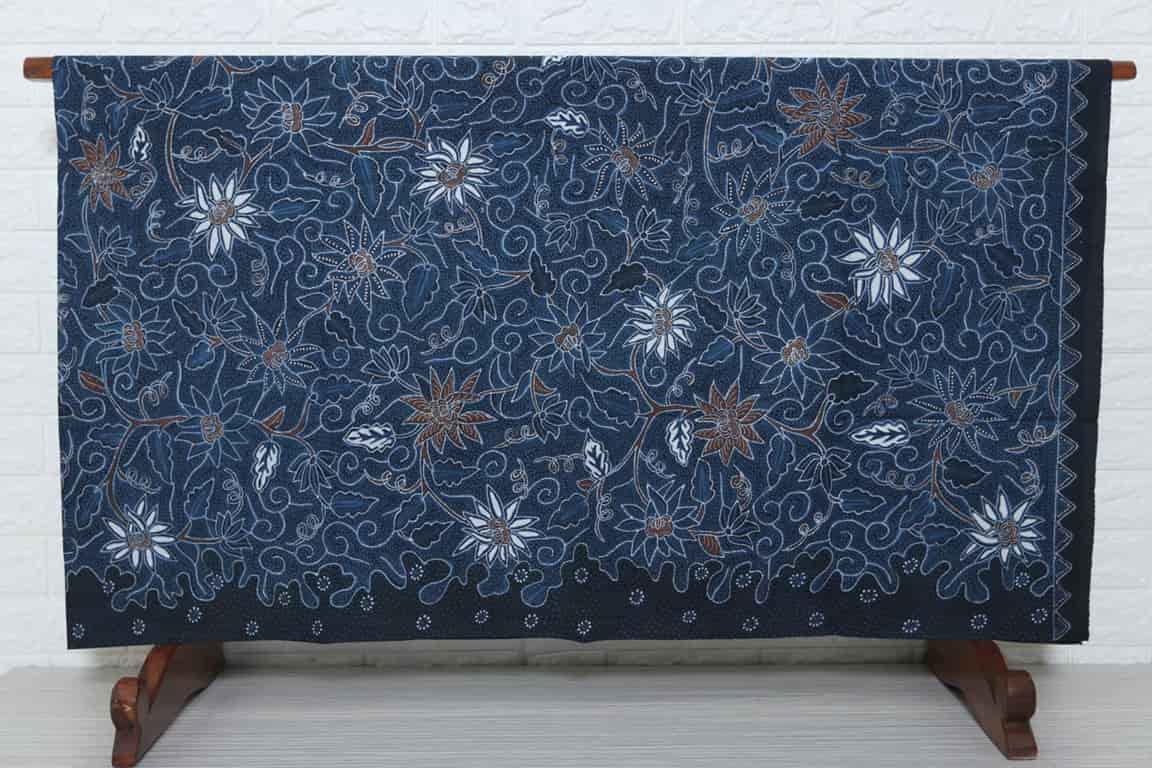
🎨 Premium Handmade Batik Tulis
Discover exclusive collections only at Batikdlidir
💎 Price starts from IDR 1M – 2M+ per piece (240 x 110 cm)
✔ Authentic artwork, not just fabric
Crafted with premium cotton:
• Primissima
• Gamelan
• Kereta Kencana
Traditional batik process:
• Triple dyeing technique
• Handmade canting process (3x)
📞 +62 822 6565 2222
(Mr. Muzakir)
💬 Consult & Choose Your Batik Now |
🔥 Limited stock • Exclusive patterns (not mass-produced)
Traditional Canting Batik: The Complete Guide to Full Wax-Resist and Ancient Wax-Resist Techniques
Traditional canting batik is a refined cultural art rooted in the full wax-resist and ancient wax-resist methods, where every line is drawn by hand and every motif carries meaning shaped through time. It is not merely fabric, but a living expression of patience, philosophy, and identity. Through its layered process, traditional canting batik becomes a quiet testimony of human touch, discipline, and cultural awareness. To understand it is to step closer to a deeper way of seeing, wearing, and appreciating.
Yet beyond its beauty, batik often lives a double life in modern society. It is worn, but not always understood. It is chosen, but not always considered. And slowly, what was once a language of meaning risks becoming just a pattern of convenience.
A Fabric Often Worn, Rarely Understood
We often encounter batik in formal rooms, ceremonial gatherings, or official events. It appears as a symbol of politeness, sometimes even obligation. However, behind that appearance, there is often uncertainty—about which batik is appropriate, about what the motifs represent, and about how to truly honor its presence.
Many people choose batik as they would choose any other clothing: guided by trends, color preference, or ease. Meanwhile, traditional canting batik quietly holds stories that remain unread, like a book carried without being opened.
In this quiet gap between wearing and understanding, something essential is not lost, but paused. And with attention, it can always return.
When Choices Drift Away from Meaning
It is not uncommon to see batik with overly crowded motifs worn in settings that call for calmness. Sometimes, patterns meant for ceremonial dignity appear in casual environments, detached from their original intention. At other times, printed versions replace handcrafted work simply because they are faster to obtain.
These choices are not made carelessly, but often without guidance. The pace of modern life moves quickly, while traditional batik unfolds slowly. And within that difference, subtle misunderstandings begin to appear.
Understanding batik does not demand perfection. It begins quietly, with awareness.
The Quiet Depth of Traditional Canting Batik
Traditional canting batik is created through a process that cannot be rushed. Hot wax is applied by hand using a canting tool, forming lines that follow intention rather than speed. Each stroke is steady, each movement deliberate.
In the full wax-resist batik technique in traditional canting, every part of the motif is carefully preserved through repeated waxing and dyeing. The color does not simply appear; it develops gradually, layer by layer, absorbing time as part of its character.
To deepen this understanding, one may also explore the understanding full wax-resist batik process, where each phase reveals how patience shapes visual harmony.
Meanwhile, the ancient wax-resist method in traditional batik craftsmanship reflects techniques passed through generations. It is not only about precision, but about sensitivity—where the artisan responds to the fabric as much as they shape it.
For those who wish to understand its origin more deeply, the history of ancient wax-resist batik method reveals how time itself becomes part of the artistic process.
Through these methods, the fabric becomes something more. It becomes a surface that remembers hands, motifs that whisper tradition, and colors that carry calmness.
Batik as a Language of Attitude
In traditional understanding, batik is not separate from the person who wears it. It reflects awareness, sensitivity, and a sense of place. Wearing batik is not only about visual harmony, but about inner alignment.
Motifs such as Parang speak of strength and continuity, flowing diagonally like steady determination. Kawung reflects balance and self-control through its symmetrical form. Sido Mukti carries a quiet hope for well-being, often present in meaningful life events.
Each motif does not simply decorate. It communicates. And when worn with awareness, it becomes a form of respect.
Understanding Through Presence, Not Instruction
Choosing batik does not need rigid rules. It begins by observing the moment. A formal setting often calls for compositions that feel balanced and composed. Softer tones and structured patterns allow presence without excess.
Authentic batik tulis can be recognized through its subtle irregularities. Lines may slightly differ, colors may carry depth, and both sides of the fabric reveal the same story. These are not imperfections, but traces of human touch.
In contrast, printed batik offers uniformity and speed. Batik cap stands between efficiency and craftsmanship. Each has its place, yet they carry different levels of depth.
When we begin to notice these differences, choosing becomes quieter and more intentional.
The Difference That Time Creates
Traditional canting batik carries time within it. A single fabric may go through three cycles of dyeing and three stages of hand canting. Each phase requires stillness, drying, and careful continuation.
Because of this, the fabric develops a presence that feels grounded. It does not demand attention, yet it holds it. It does not try to impress, yet it leaves an impression.
This is why authentic hand drawn batik tulis often feels different when worn. It accompanies, rather than decorates.
Ownership as Awareness, Not Possession
To own traditional canting batik is not to accumulate, but to understand. It becomes part of how we carry ourselves, how we respect moments, and how we connect with something deeper than appearance.
Today, thousands of handmade batik fabrics are available, each shaped through traditional processes. At Batikdlidir, these collections are not presented as products, but as continuations of craftsmanship.
Available at Batikdlidir: thousands of authentic hand-drawn batik collections, each created with intention and care.
With dimensions around 240 x 110 cm and a price range of IDR 1–2 million, these fabrics are made using primissima cotton, gamelan cotton, and kereta kencana cotton. Each material offers a distinct sense of comfort, breathability, and character.
The process involves three times dyeing and three times hand canting, allowing the fabric to grow into its final form gradually, without haste.
A Gentle Path Toward Appreciation
Understanding batik does not come from memorizing, but from observing. It comes from noticing differences, feeling textures, and recognizing intention.
As appreciation deepens, something shifts quietly. The fabric is no longer just worn—it is acknowledged. And from that acknowledgment, a sense of connection begins to form.
When Appreciation Becomes Intention
There comes a moment when appreciation turns into intention. Not driven by urgency, but by clarity. A quiet readiness to choose more consciously, to wear with awareness, and to align with meaning.
At that point, reaching out feels natural. Not as a purchase, but as a continuation of understanding.
If you feel ready to explore further, you may begin a conversation through WhatsApp at 0822 6565 2222 with Pak Muzakir. A simple question is often the beginning of deeper clarity.
A Closing Reflection
Traditional canting batik reminds us that meaningful things unfold slowly. They require patience, attention, and presence.
May we always be given the awareness to recognize what carries value, the calmness to understand it, and the wisdom to honor it in our lives.
May health accompany our days, peace guide our steps, and sustenance come with blessing and grace.
Frequently Asked Questions
What is traditional canting batik?
Traditional canting batik is a handmade fabric created using a canting tool to apply hot wax in detailed patterns, followed by repeated dyeing processes that build depth and meaning.
What is the difference between batik tulis and batik cap?
Batik tulis is fully hand-drawn, resulting in unique and intricate details. Batik cap uses stamped patterns, making production faster but less personal.
How long does it take to create authentic batik tulis?
Depending on complexity, it can take weeks or even months due to multiple stages of waxing, dyeing, and drying.
How can I identify authentic batik tulis?
It shows irregular hand-drawn lines, color depth from repeated dyeing, and patterns visible on both sides of the fabric.
What materials are commonly used?
High-quality batik tulis often uses primissima cotton, gamelan cotton, and kereta kencana cotton for comfort and durability.
Why is traditional batik valuable?
Its value lies in the time, craftsmanship, and cultural meaning embedded in each piece, making it more than just fabric.
When should traditional batik be worn?
It is best worn in formal events, cultural ceremonies, or meaningful occasions where respect and appropriateness are important.
🎨 Premium Handmade Batik Tulis
Discover exclusive collections only at Batikdlidir
💎 Price starts from IDR 1M – 2M+ per piece (240 x 110 cm)
✔ Authentic artwork, not just fabric
Crafted with premium cotton:
• Primissima
• Gamelan
• Kereta Kencana
Traditional batik process:
• Triple dyeing technique
• Handmade canting process (3x)
📞 +62 822 6565 2222
(Mr. Muzakir)
💬 Consult & Choose Your Batik Now |
🔥 Limited stock • Exclusive patterns (not mass-produced)