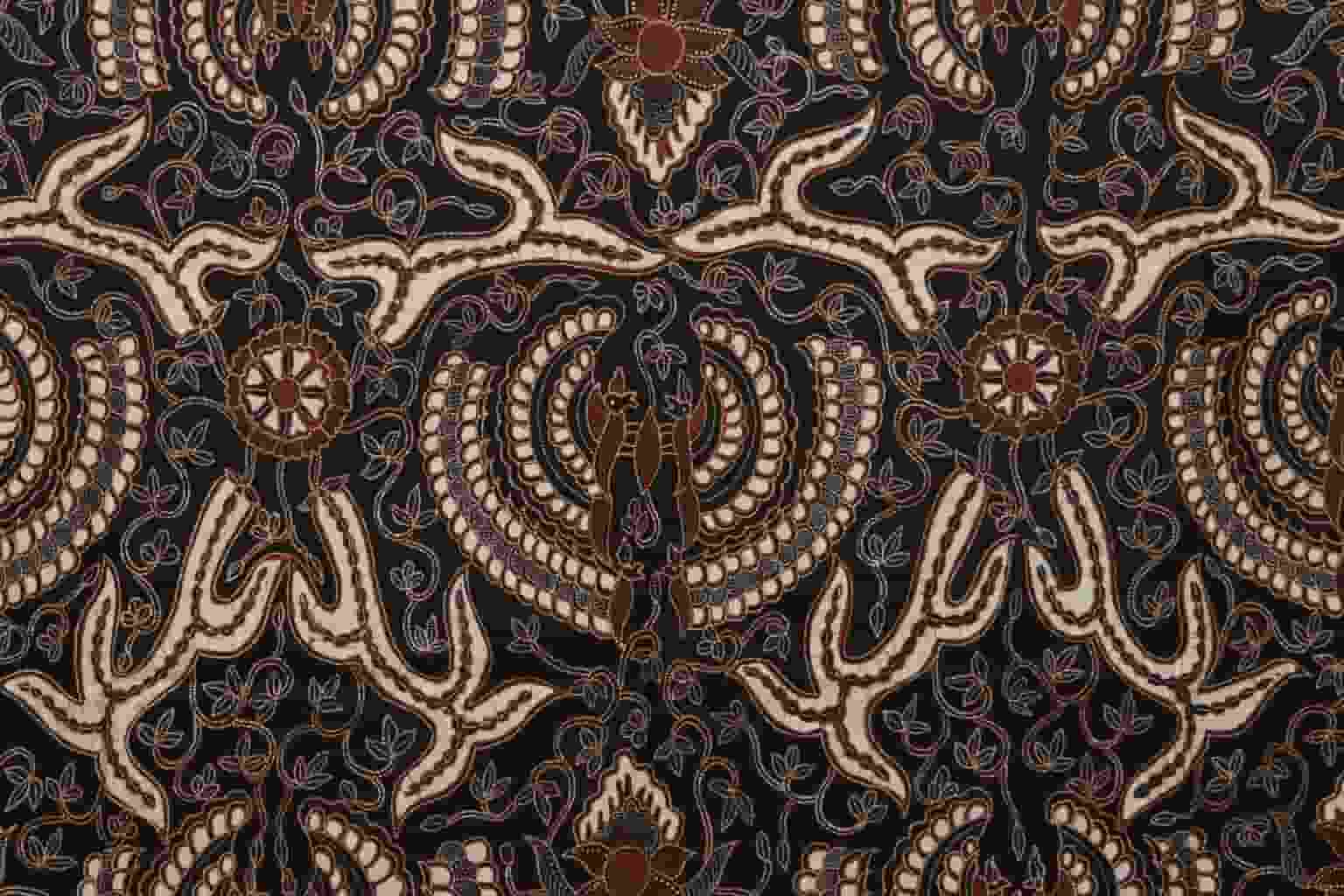
Genuine Batik Tulis: How to Identify Original Hand-Drawn Batik from Indonesia
Genuine batik tulis is authentic hand-drawn batik created through a meticulous process using a canting tool and layered dyeing. Each piece carries subtle irregularities that reveal the presence of human touch, making it distinct from printed textiles. To identify original hand-drawn batik from Indonesia, one must observe not only technique, but also depth, balance, and cultural meaning. In essence, authenticity in batik tulis is something that quietly reveals itself over time.
When we first encounter genuine batik tulis, we are not simply seeing a patterned cloth. We are witnessing a surface shaped by patience, where every line has been placed with intention. The fabric does not rush to impress; instead, it invites us to slow down.
In this stillness, batik begins to feel alive. Its motifs seem to whisper tradition, while its colors carry a calm that settles gently within us. This is where understanding begins.
The Essence of Genuine Batik Tulis
To understand genuine batik tulis more deeply, we must return to the roots of authentic hand drawn batik tulis, where craftsmanship is guided by patience rather than speed. Each motif is drawn by hand using a canting, allowing wax to flow like quiet handwriting across the fabric.
This process is not done once, but repeatedly. Artisans often apply wax and dye in three stages, creating layers that give the fabric its depth. Through this repetition, the cloth begins to remember time.
No two pieces are ever identical. Even when the same motif is recreated, the rhythm of the hand introduces subtle variations. These differences are not imperfections—they are the soul of the work.
How Authenticity Reveals Itself
Authenticity in batik tulis does not announce itself loudly. Instead, it appears through details that reward careful observation. The more we look, the more the fabric begins to speak.
The lines, for instance, are never perfectly uniform. They move gently, following the natural motion of the artisan’s hand. This slight irregularity gives the motif a sense of life.
When we turn the fabric over, we notice something equally important. The pattern remains visible and clear on both sides, showing that the dye has fully penetrated the cloth. This is one of the quiet signatures of genuine batik tulis.
The texture, too, feels different. It carries a softness shaped by repeated washing and dyeing, free from the stiffness often found in printed fabrics.
Motifs That Carry Quiet Meaning
In genuine batik tulis, motifs are never merely decorative. They carry meaning shaped by generations of cultural understanding. Each pattern feels like a quiet message waiting to be received.
Parang flows diagonally, reflecting resilience and continuity, like waves that never cease. Kawung, with its balanced circular form, speaks of harmony and self-control. Meanwhile, Sido Mukti carries hopes for prosperity and well-being, often worn in meaningful life ceremonies.
These motifs do not demand attention. Instead, they accompany the wearer gently, offering a presence that feels both grounded and refined.
The Role of Material and Process
Authentic batik tulis is typically created on carefully selected materials such as primissima cotton, gamelan cotton, and kereta kencana cotton. These fabrics allow dye to settle deeply, producing tones that feel calm rather than overly bright.
The process itself often involves three cycles of dyeing and three stages of hand canting. With each layer, the fabric absorbs more character. Colors begin to soften, and the motif gains quiet complexity.
Within collections available at Batikdlidir, thousands of handmade batik fabrics reflect this process. Each piece, usually around 240 x 110 cm and valued at approximately IDR 1–2 million, carries not only visual beauty but also a sense of time embedded within it.
Such pieces do not compete for attention. They remain composed, allowing appreciation to come naturally.
Recognizing the Difference from Printed Batik
In contrast, printed batik often presents a uniform appearance. Its patterns are consistent, almost too perfect, lacking the gentle irregularity that signals human touch.
The back side of printed fabric usually appears faded or incomplete, revealing its surface-level application. The colors may feel sharper, but they do not carry the same depth.
This is why many begin to appreciate traditional hand-drawn batik craftsmanship as something that cannot be replicated by machines. The difference is not only visible—it is felt.
Wearing Batik with Awareness
In Javanese culture, wearing batik is closely tied to a sense of appropriateness. Certain motifs are chosen for specific moments, reflecting an understanding of context and respect.
For formal occasions, motifs such as Parang or Sido Mukti are often selected for their symbolic weight. Simpler patterns, meanwhile, accompany everyday moments with quiet elegance.
Choosing genuine batik tulis becomes more than selecting clothing. It becomes an act of awareness, where we consider not only how we appear, but how we belong within a moment.
A Slower Way of Seeing
As we spend more time with genuine batik tulis, our perception begins to shift. We move away from quick impressions and learn to appreciate subtleties.
The fabric begins to feel like a quiet companion. Its motifs whisper softly, while its colors carry a sense of calm that lingers. Even silence feels more complete in its presence.
This is the quiet strength of authenticity. It does not seek attention—it transforms the way we notice.
A Gentle Invitation to Appreciate
For those who wish to go deeper, authentic hand drawn batik tulis offers a broader journey into craftsmanship shaped by patience and cultural meaning.
From there, appreciation often grows naturally. What begins as curiosity slowly becomes connection. The fabric is no longer just observed—it is understood.
Available at Batikdlidir: thousands of authentic hand-drawn batik collections continue this tradition. Each piece carries a quiet presence, shaped by hands that work with care and intention.
If one feels drawn to explore further, a simple conversation via WhatsApp at 0822 6565 2222 with Pak Muzakir often becomes a continuation of understanding rather than a transaction. The process remains calm, unhurried, and respectful.
Closing Reflection
To recognize genuine batik tulis is to learn patience. It invites us to see beyond the surface and to appreciate what cannot be rushed.
In wearing it, we carry more than fabric. We carry stories, discipline, and a quiet form of respect for the hands that created it.
May your days be filled with calm understanding. May your health remain strong, your heart at peace, and your path always guided toward blessed sustenance.
Frequently Asked Questions
What makes batik tulis different from other batik?
Batik tulis is entirely hand-drawn using a canting tool, resulting in unique patterns and deeper color absorption compared to printed or stamped batik.
How can I identify genuine batik tulis easily?
Look for slight irregularities in lines, consistent patterns on both sides of the fabric, and a soft texture shaped by repeated dyeing processes.
Why does genuine batik tulis have a higher price?
The process requires time, skill, and multiple stages of craftsmanship, making each piece valuable both culturally and artistically.
What fabrics are commonly used in authentic batik tulis?
Common materials include primissima cotton, gamelan cotton, and kereta kencana cotton, known for their ability to absorb dye beautifully.
Is batik tulis suitable for everyday wear?
Yes, depending on the motif. Some patterns are suitable for daily use, while others are reserved for formal or ceremonial occasions.
Where can I explore authentic batik tulis collections?
You can find them at Batikdlidir, where thousands of handmade batik fabrics reflect traditional craftsmanship and cultural depth.
🎨 Premium Handmade Batik Tulis
Discover exclusive collections only at Batikdlidir
💎 Price starts from IDR 1M – 2M+ per piece (240 x 110 cm)
✔ Authentic artwork, not just fabric
Crafted with premium cotton:
• Primissima
• Gamelan
• Kereta Kencana
Traditional batik process:
• Triple dyeing technique
• Handmade canting process (3x)
📞 +62 822 6565 2222
(Mr. Muzakir)
💬 Consult & Choose Your Batik Now |
🔥 Limited stock • Exclusive patterns (not mass-produced)