Hand-Painted Silk Fabric: A Timeless Blend of Traditional Craftsmanship and Modern Luxury
Hand-painted silk fabric represents one of the finest expressions of textile artistry, where heritage craftsmanship quietly meets contemporary elegance. More than luxurious cloth, it is a fabric shaped by patience, touched by human hands, and enriched by meaning that lingers beyond appearance. In its gentle sheen and flowing drape, silk becomes a living canvas where tradition continues to breathe.
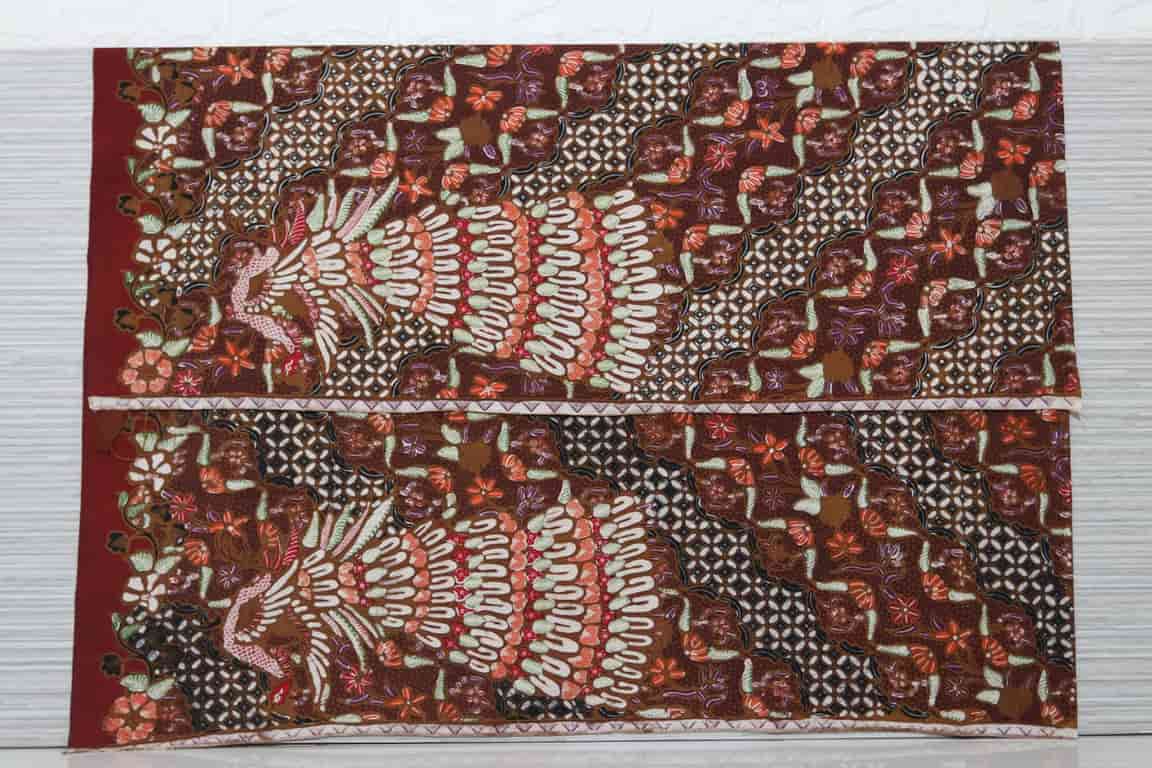
Unlike mass-produced prints, hand-painted silk fabric is created slowly and intentionally. Through the careful use of the canting tool, hot wax tracing, and layered wax-resist dyeing, artisans transform plain cloth into a work of quiet refinement. Each piece becomes singular, carrying subtle variation, depth, and the unmistakable warmth of manual craftsmanship.
That is why authentic batik never feels lifeless. Its motifs whisper tradition, its colors carry calmness, and its texture seems to remember every patient gesture placed upon it. What rests on the shoulder is not merely fabric, but memory made visible.
Where Silk Meets the Soul of Batik
Silk has long been admired for its natural luster, graceful movement, and soft touch. Yet when silk becomes the medium of luxury hand-painted batik silk, it enters a deeper realm of meaning—where beauty is no longer only seen, but quietly felt.
The soul of hand-painted silk lies in the manual touch. Every inch of the fabric is treated as a living canvas. Wax lines move like thoughtful handwriting, dyes settle in gentle layers, and motifs emerge with calm precision that machine repetition can never truly imitate.
No two pieces are exactly alike. A line may softly curve with human instinct. A shade may hold subtle tonal richness that changes with light. These quiet differences are not imperfections. They are the intimate signatures of authenticity.
Whether woven in refined handloom silk traditions or lighter silk constructions such as Habotai, the fabric offers luminous softness and elegant drape. Colors seem to breathe upon silk—appearing serene in morning light, then quietly glowing with depth as evening shadows arrive.
Motifs That Carry Quiet Wisdom
In Javanese batik tradition, motifs are never merely decorative. They are reflections of life, values, and inner character. Parang speaks of resilience, discipline, and continuity, moving diagonally like waves that never grow tired of returning to shore.
Kawung offers another language—one of balance, restraint, and harmony. Its rounded forms feel simple, yet they quietly express wisdom: that beauty often lives in proportion, calmness, and measured grace.
Sido Mukti carries hope for prosperity, peace, and honorable living. Often associated with meaningful life moments, it transforms fabric into visible prayer. The cloth seems to gently wrap blessings around the wearer.
Within the world of authentic hand drawn batik tulis, such motifs are drawn patiently by hand, allowing philosophy to settle naturally into cloth. In this quiet process, fabric becomes conversation between generations.
The Slow Ritual Behind True Craftsmanship
Authentic hand-painted batik asks for time, because meaningful beauty has never been rushed. Many handmade pieces are shaped through 3x hand canting, where hot wax is applied carefully layer after layer, preserving delicate detail while guiding the motif toward fuller expression.
Then comes 3x dyeing, where color matures slowly in repeated baths. Each immersion deepens tone. Each resting phase allows shades to settle gently into the fibers. The result is not flat color, but living color—tones that feel rich, layered, and quietly luminous.
Traditional artisans often work with fine materials such as primissima cotton, gamelan cotton, and kereta kencana cotton, each valued for its character and comfort. Yet when the same disciplined philosophy is brought onto silk, refinement becomes especially timeless—soft to the touch, elegant in movement, and graceful in presence.
Recognizing Authentic Hand-Painted Silk Fabric
Authenticity often reveals itself in subtle details. A hand-drawn line may gently vary in thickness. Wax penetration may softly appear on both sides of the cloth. Colors may carry slight variation in tone, not from inconsistency, but from honest manual layering.
True hand-painted silk fabric has rhythm. Motifs flow rather than repeat stiffly. Composition feels balanced, yet never mechanically perfect. Like a handwritten letter, it holds warmth because the human hand remains present throughout its making.
When choosing batik, we often discover that the heart recognizes sincerity before the eye fully understands it. A meaningful cloth carries quiet authority. It invites us to pause, to look closer, and to appreciate what patience has made possible.
Modern Elegance Rooted in Tradition
While traditional methods remain sacred, hand-painted silk has gently embraced contemporary expression. Today, refined minimalist motifs, abstract flowing strokes, emerald greens, deep terracotta tones, muted gold, and subtle metallic accents allow heritage craftsmanship to speak gracefully in modern settings.
This makes hand-painted silk quietly versatile. It feels appropriate for ceremonial occasions, formal gatherings, executive attire, and meaningful celebrations where dignity matters more than display. Its luxury does not seek attention. It simply carries presence.
That quiet sophistication reflects a deeper truth in Javanese aesthetics: appropriateness is elegance. To wear beautifully is not merely to impress, but to harmonize self, occasion, and meaning.
A Living Heritage Worth Preserving
Across Indonesia, handmade batik continues through the devotion of skilled artisans whose work preserves centuries of knowledge. Available at Batikdlidir are thousands of authentic hand-drawn batik collections, shaped not by industrial repetition, but by patient artistry that honors tradition.
There are thousands of handmade batik fabrics available, each carrying its own character, motif, and quiet story. Many pieces, sized around 240 x 110 cm, are valued in the range of approximately IDR 1–2 million per piece—not simply because of material, but because of time, skill, and cultural depth woven into every stage.
When we understand process, value becomes clearer. We begin to see that such cloth is not merely purchased—it is respectfully received, much like an heirloom entering new hands while carrying old wisdom forward.
For those who wish to continue this quiet appreciation, conversation may naturally continue through WhatsApp at 0822 6565 2222 with Pak Muzakir, where heritage is shared not loudly, but thoughtfully, with care and cultural understanding.
Owning Batik as an Act of Appreciation
There is a difference between owning fabric and truly living with batik. One fills a wardrobe. The other enriches perspective. Hand-painted silk fabric invites us toward the second path—where what we wear reflects not only taste, but respect.
To appreciate authentic craftsmanship is to honor patient hands, meaningful motifs, and traditions that quietly continue despite a hurried world. In choosing such cloth, we become small keepers of a much larger cultural memory.
Then fabric becomes more than fabric. It becomes a companion that remembers time, motifs that whisper tradition, and colors that carry calmness gently into daily life.
Frequently Asked Questions
What makes hand-painted silk fabric unique?
Its uniqueness comes from manual artistry, wax-resist dyeing, hand-applied motifs, and the luminous way silk receives layered color, creating a depth and individuality that machine-made textiles cannot replicate.
How can we recognize authentic hand-painted batik silk?
Look for subtle line variation, wax traces that penetrate both sides, layered color richness, and motifs that feel alive rather than mechanically repeated.
Why is handmade batik valued highly?
Its value reflects patient craftsmanship, repeated hand canting, layered dyeing processes, quality materials, and deep cultural meaning preserved in every piece.
Are traditional motifs still relevant in modern fashion?
Yes. Motifs such as Parang, Kawung, and Sido Mukti remain timeless because their beauty carries philosophical depth that continues to resonate across generations and styles.
Is hand-painted silk suitable for formal wear?
Very much so. Its graceful drape, refined sheen, and quiet sophistication make it highly appropriate for ceremonial, executive, and elegant formal occasions.
Why does owning authentic batik feel meaningful?
Because authentic batik carries human touch, cultural memory, and living heritage. Wearing it becomes an act of appreciation, respect, and quiet connection to enduring craftsmanship.
May every beautiful cloth we choose remind us to live with grace, patience, and gratitude. May health remain strong, peace gently fill the home, and blessed sustenance flow in abundance, dignity, and quiet joy through every season of life.