Full Wax-Resist Batik Explained: Why This Traditional Technique Creates the Most Durable and Artistic Patterns
Full wax-resist batik is a traditional technique where molten wax is carefully applied to protect specific areas of fabric through multiple dyeing stages, resulting in patterns that are both highly detailed and remarkably durable. This method allows colors to settle deeply into the cloth while preserving clarity in every motif. As a result, the fabric carries not only visual beauty but also structural integrity that endures over time. In essence, full wax-resist batik transforms process into permanence.
At a glance, batik may seem like ornamentation. Yet when we sit with it a little longer, we begin to notice something quieter—lines that feel intentional, motifs that seem to breathe, and colors that do not shout but remain present. Full wax-resist batik does not seek attention. It invites understanding.
We often encounter batik in moments that matter—formal gatherings, ceremonies, or family milestones. Still, not every piece holds the same depth. Some fabrics simply display patterns, while others seem to remember the hands that shaped them. The difference often lies in how completely the wax-resist process is carried out.
The Meaning Behind Full Wax-Resist in Batik Craft
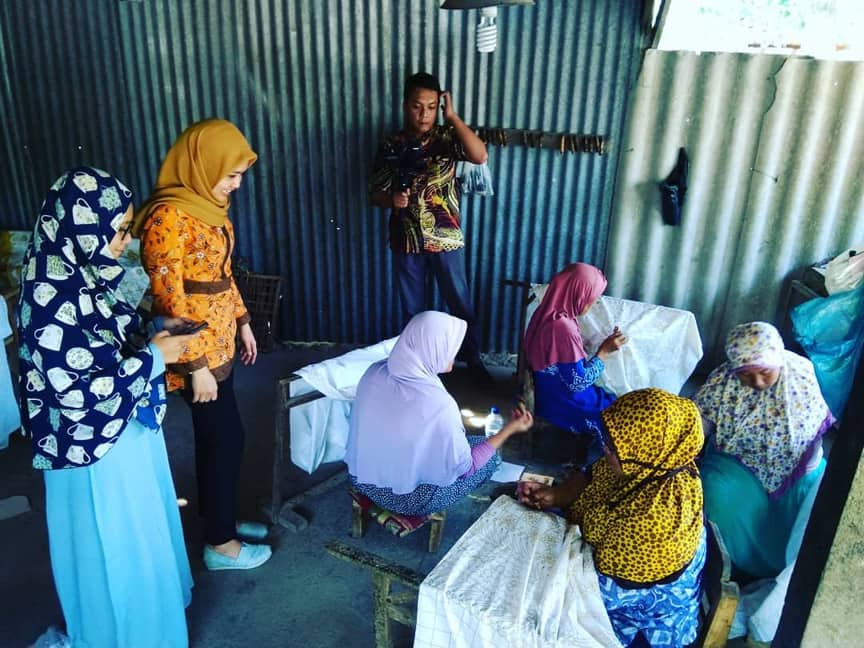
Full wax-resist batik reflects a complete devotion to process. Every area that must remain untouched by dye is carefully covered with wax using a canting tool, guided slowly by hand. This is not done once, but repeatedly, allowing each layer of color to emerge with clarity and restraint.
Unlike partial methods, this approach requires patience across multiple stages. Wax is applied, removed, and applied again, ensuring that each color rests exactly where it belongs. Through this repetition, the fabric begins to carry rhythm—like a quiet breath that continues without urgency.
There is a certain stillness in this work. The wax flows like intention, while the dye settles like acceptance. Together, they create harmony that cannot be rushed.
How the Process Shapes Durability and Beauty
Durability in batik does not come from modern reinforcement, but from discipline. With full wax-resist, the fibers are protected and revealed in stages, allowing dye to penetrate deeply without overwhelming the design. This balance gives the fabric its lasting strength.
Because of this, the colors do not easily fade. They live within the cloth rather than resting on its surface. Over time, the fabric softens, yet its character remains intact—aging not with loss, but with quiet refinement.
Artistry also finds its fullest expression here. Motifs such as Parang, Kawung, and Sido Mukti emerge with clarity, each carrying symbolic meaning shaped through careful layering. No repetition feels mechanical; each piece carries its own subtle voice.
Recognizing Full Wax-Resist Batik in Practice
To recognize full wax-resist batik, we must look with patience. The fabric often reveals fine crackle lines—delicate traces formed naturally during the dyeing process. These lines do not disrupt the design; they complete it.
When touched, the cloth feels balanced. It is neither overly rigid nor too light. Materials such as primissima cotton, gamelan cotton, and kereta kencana cotton are often chosen because they respond gently to wax and dye, allowing both to settle without resistance.
In many pieces, the process involves three cycles of dyeing and three cycles of hand canting. This repetition gives the fabric depth—patterns feel composed, and colors carry a calm steadiness rather than intensity.
Full Wax-Resist Within the Broader Batik Tradition
To understand this technique more fully, it helps to see it within the larger context of complete traditional canting batik guide. Full wax-resist is not separate from this tradition; it is one of its most disciplined expressions.
Within this broader practice, artisans learn not only how to apply wax, but also when to pause. Timing becomes as important as technique. The cloth, in return, begins to remember each moment of care.
When we explore collections such as authentic hand drawn batik tulis, we begin to sense how this method shapes not only durability, but also presence. The fabric feels calm, as if it understands its own journey.
When and How Full Wax-Resist Batik Is Worn
There is a quiet sense of appropriateness in wearing such batik. Because full wax-resist batik carries depth, it often belongs to meaningful occasions—formal gatherings, traditional ceremonies, or moments that call for composure.
Motifs like Parang suggest continuity and strength, often worn in contexts of leadership or responsibility. Kawung reflects balance and clarity, offering a composed presence. Meanwhile, Sido Mukti carries hopes of harmony and prosperity, making it suitable for celebratory moments.
Wearing this kind of batik is not about appearance alone. It is about alignment—between the individual, the occasion, and the quiet message carried within the cloth.
A Quiet Reflection on Value and Ownership
In a world that moves quickly, full wax-resist batik stands gently apart. It reminds us that meaningful things are rarely rushed. The process asks for time, and in return, it offers depth.
Today, thousands of handmade batik fabrics continue to be created through this method. Each piece, often measuring around 240 x 110 cm, carries a value that reflects its journey—commonly around IDR 1–2 million. This is not merely a price, but a reflection of patience, craftsmanship, and cultural continuity.
Available at Batikdlidir, thousands of authentic hand-drawn batik collections reveal not repetition, but diversity. Each fabric feels like a different story—quietly waiting to be understood.
The Process as a Living Conversation
The three cycles of dyeing and three cycles of hand canting create more than structure—they form rhythm. Wax returns again and again, refining the design, guiding the flow of color.
The fabric, in this process, seems to listen. It absorbs, releases, and remembers. Over time, it becomes something more than cloth—it becomes presence.
And perhaps this is why wearing it feels different. Not louder, not more visible, but more grounded. As if something within us slows down to match its pace.
Considering Full Wax-Resist Batik Today
To consider owning such a piece is not about following trends. It is about entering a relationship—with craft, with culture, and with time. The decision feels more like recognition than purchase.
Conversations around this often begin simply. Through WhatsApp at 0822 6565 2222 with Pak Muzakir, discussions unfold not as transactions, but as shared appreciation—about fabric, about process, about meaning.
And slowly, batik becomes less distant. It becomes something personal, something we choose not just to wear, but to carry.
A Gentle Closing
Full wax-resist batik teaches us that beauty does not demand attention—it earns it through patience. Its motifs whisper, its colors settle, and its presence lingers quietly.
May we move through life with the same calm strength. May our days be filled with clarity, our steps guided with intention, and our sustenance blessed with ease and grace.
And may we always find time to appreciate what carries meaning—slowly, gently, and with respect.
Frequently Asked Questions
What is full wax-resist batik?
Full wax-resist batik is a traditional technique where wax is repeatedly applied to protect specific areas of fabric during multiple dyeing stages, resulting in detailed and long-lasting patterns.
Why is full wax-resist batik more durable?
The repeated waxing and dyeing process allows color to penetrate deeply into the fabric while maintaining clear pattern boundaries, making it resistant to fading.
How can I identify authentic full wax-resist batik?
You can recognize it through fine crackle details, balanced fabric texture, and layered colors that show depth rather than surface printing.
What materials are commonly used in this technique?
Common materials include primissima cotton, gamelan cotton, and kereta kencana cotton, chosen for their ability to absorb wax and dye effectively.
Is full wax-resist batik suitable for formal occasions?
Yes, it is often worn for formal and traditional events due to its refined appearance and cultural significance.
Why does authentic batik have a higher price?
The price reflects the time-intensive process, multiple dyeing stages, and the skilled handwork required to produce each piece.