Ancient Wax-Resist Method in Batik: How Centuries-Old Techniques Shape Modern Premium Fabric Designs
The ancient wax-resist method in batik is a traditional technique where hot wax is carefully applied by hand to resist dye, forming layered patterns that reflect both craftsmanship and cultural meaning. This centuries-old process continues to define modern premium batik through depth of color, durability, and artistic authenticity. Each piece carries subtle variations, shaped by human touch rather than mechanical repetition. In essence, it is not only a method, but a quiet preservation of time within fabric.
When we look at batik through this lens, we begin to understand that it is not simply textile production. It is a slow conversation between hand, material, and meaning. The wax flows gently, as if following an inner rhythm, while the fabric receives each mark with patience.
In this process, nothing is rushed. The cloth seems to breathe between each stage, allowing the story within it to unfold gradually. And perhaps, this is why ancient techniques continue to feel relevant even in modern life.
The Origin of Wax-Resist: A Living Heritage
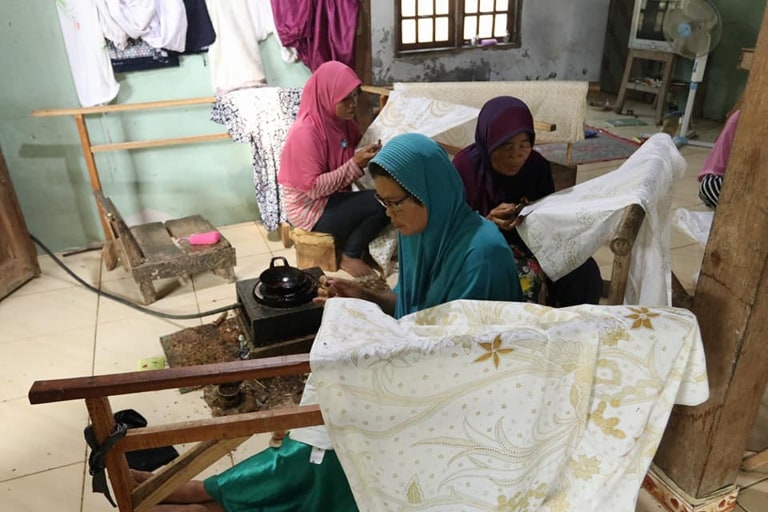
The wax-resist method has long existed across cultures, yet in Java it developed into a refined and philosophical art form. Using a canting tool, artisans draw molten wax in delicate lines, almost as if writing a visual language that speaks without sound.
This technique relies on repetition. Wax is applied, dye is absorbed, and the process is repeated multiple times. Through this layered approach, colors gain depth, and motifs gain presence.
Motifs such as Parang, Kawung, and Sido Mukti are not merely decorative. They carry meanings of strength, balance, and well-being, quietly guiding the wearer in both appearance and intention.
To understand this broader foundation, one may explore the context within traditional canting batik guide, where the essence of hand-drawn batik is reflected more comprehensively.
How Ancient Techniques Shape Modern Premium Batik
Interestingly, what is ancient does not feel outdated. Instead, it refines what we now recognize as premium batik. The value lies not in speed, but in process.
Modern premium batik often involves three stages of dyeing and three stages of hand canting. This repetition allows colors to settle deeply into the fibers, creating tones that feel calm, balanced, and enduring.
The materials themselves also contribute to this refinement. Primissima cotton offers softness and fine texture, gamelan cotton provides balanced absorbency, while kereta kencana cotton brings a slightly firmer character. Each fabric responds differently, as if it holds its own personality.
This layered process is also closely related to the concept explained in full wax-resist batik technique, where durability and depth are formed through careful repetition rather than instant production.
The Quiet Language of Motifs
Within the ancient wax-resist method, motifs emerge with a quiet presence. They do not seek attention, yet they hold meaning that resonates deeply.
Parang flows continuously, symbolizing resilience. Kawung reflects harmony and balance. Sido Mukti carries hope for prosperity and fulfillment. These meanings do not need to be spoken aloud—they are felt.
The slight irregularities in hand-drawn lines become part of their authenticity. The fabric seems to remember each movement, each pause, and each intention of the artisan.
This is why many return to authentic hand drawn batik tulis, not only for its beauty, but for the depth it carries.
Recognizing Authentic Wax-Resist Batik
In today’s world, where printed patterns are widely available, recognizing authentic wax-resist batik becomes an act of awareness rather than expertise.
Authentic pieces often reveal color penetration on both sides of the fabric. The lines may not be perfectly uniform, yet they feel alive. The texture carries a certain softness, shaped by repeated handling and natural processes.
There is also a visual calmness. The colors do not appear overly sharp or artificial. Instead, they settle gently, creating harmony across the surface.
A full piece, typically measuring around 240 x 110 cm, reflects a process that unfolds over weeks. Each stage—waxing, dyeing, drying—adds another layer of quiet complexity.
Wearing Batik with Awareness
Choosing batik is not merely about visual preference. It is also about understanding context and appropriateness. Certain motifs align more naturally with formal settings, while others feel more relaxed for everyday wear.
In Javanese philosophy, this sense of appropriateness reflects respect. The wearer does not simply choose what looks good, but what feels aligned with the moment.
Through this awareness, batik becomes more than attire. It becomes a subtle expression of harmony between self, environment, and tradition.
The Presence of Craft in Each Fabric
Today, thousands of handmade batik fabrics continue to be created, each one shaped by the ancient wax-resist method. Collections such as those available at Batikdlidir quietly preserve this continuity, offering a wide range of authentic hand-drawn batik.
These pieces, often valued around IDR 1–2 million, reflect not only material quality but also the time invested in their making. Each cloth, created through multiple stages of waxing and dyeing, carries a sense of completion that cannot be rushed.
There is a certain stillness when holding such fabric. It feels as if the cloth carries its own rhythm, inviting the wearer to slow down and notice.
For those who feel connected to this process, reaching out through WhatsApp at 0822 6565 2222 with Pak Muzakir can feel like continuing a conversation rather than beginning a transaction.
A Reflection on Time and Meaning
The ancient wax-resist method reminds us that value often comes from patience. Not everything meaningful can be produced quickly.
In wearing such batik, we carry more than pattern. We carry time, intention, and a connection to those who came before us.
The fabric remembers. It holds the warmth of wax, the depth of dye, and the quiet persistence of the artisan’s hand.
And perhaps, through this, we are also reminded to move with greater awareness in our own lives.
Closing Reflection
May what we wear bring not only beauty, but also understanding. May it guide us toward patience, balance, and a deeper appreciation of process.
May we be granted health, peace in heart, and sustenance that is both sufficient and blessed.
FAQ
What is the ancient wax-resist method in batik?
It is a traditional process where hot wax is applied to fabric to prevent dye from penetrating certain areas, creating layered patterns.
Why is this method still used today?
Because it produces depth, durability, and authenticity that cannot be replicated by modern printing techniques.
How can I identify authentic batik?
Look for color penetration on both sides, subtle irregularities, and a natural texture that reflects hand craftsmanship.
What materials are used in premium batik?
Common materials include primissima cotton, gamelan cotton, and kereta kencana cotton, each offering unique characteristics.
Is wax-resist batik suitable for formal occasions?
Yes, especially when choosing motifs that align with the cultural and social context of the event.
Why does authentic batik have a higher price?
Because it involves time-intensive processes, skilled craftsmanship, and multiple stages of waxing and dyeing.