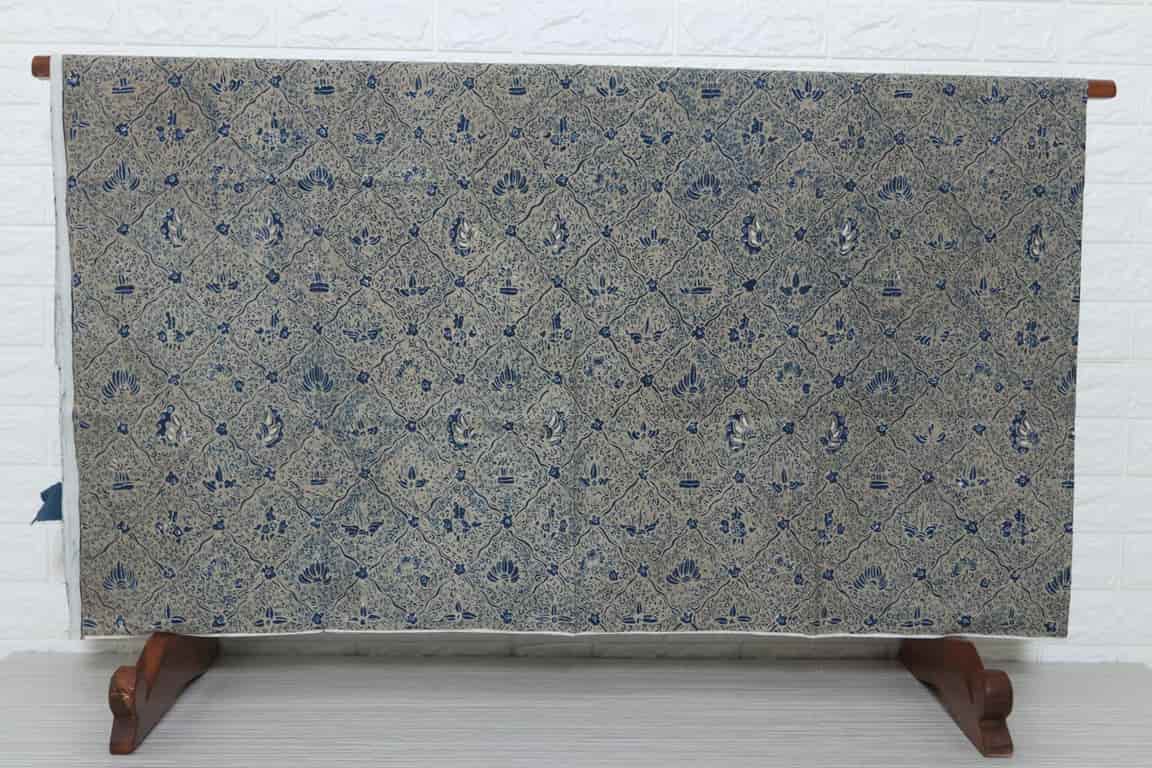
🎨 Premium Handmade Batik Tulis
Discover exclusive collections only at Batikdlidir
💎 Price starts from IDR 1M – 2M+ per piece (240 x 110 cm)
✔ Authentic artwork, not just fabric
Crafted with premium cotton:
• Primissima
• Gamelan
• Kereta Kencana
Traditional batik process:
• Triple dyeing technique
• Handmade canting process (3x)
📞 +62 822 6565 2222
(Mr. Muzakir)
💬 Consult & Choose Your Batik Now |
🔥 Limited stock • Exclusive patterns (not mass-produced)
Ancient Wax-Resist Method in Batik: Timeless Craftsmanship Behind Traditional Canting Art
The ancient wax-resist method in batik is a traditional hand-drawing technique where hot wax is carefully applied to fabric to resist dye, forming layered patterns through repeated processes. This method, central to traditional canting batik, reflects patience, discipline, and a deep cultural rhythm. It is not merely a technique, but a living expression of time preserved on cloth.
Each line of wax carries intention. Each color holds a quiet memory. And through this ancient method, batik becomes something that gently bridges the past and the present.
The Beginning of a Quiet Craft
We often think of craftsmanship as movement. Yet in the ancient wax-resist method, the most important part begins in stillness. Before the canting touches the cloth, there is a moment of understanding between the artisan and the fabric.
The cloth does not rush. It receives. It listens. And within this quiet preparation, the essence of complete guide to traditional canting batik techniques begins to unfold naturally.
This method comes from a time when creation was not driven by efficiency, but by meaning. Every step had purpose, and every pause had value.
How Wax Holds Time in Place
The wax-resist method works through a simple yet profound principle. Hot wax is applied to specific parts of the fabric, preventing dye from entering those areas. As the cloth passes through layers of color, the wax protects and defines the final pattern.
In traditional practice, the process often involves three stages of dyeing and three sessions of hand canting. Each repetition is not redundant—it is refinement. The colors deepen, and the story becomes clearer.
The wax, in its quiet role, acts as a guardian. It preserves spaces that must remain untouched, allowing contrast and meaning to emerge naturally.
Motifs That Whisper Across Generations
Within this ancient method, motifs are never random decoration. Patterns such as Parang, Kawung, and Sido Mukti carry philosophical messages that have endured across generations.
Parang flows continuously, symbolizing strength and resilience. Kawung reflects balance and self-control. Meanwhile, Sido Mukti carries a gentle hope for prosperity and a life lived with dignity.
These motifs do not seek attention. They reveal themselves slowly, like a quiet voice that only speaks to those who are willing to listen.
The Fabric That Remembers
Not every fabric can hold such depth. Traditional batik often uses materials like primissima cotton, gamelan cotton, and kereta kencana cotton—chosen for their ability to absorb dye while maintaining softness and structure.
These fabrics feel alive in a subtle way. They adapt to the body, they breathe naturally, and over time, they seem to remember the moments they accompany.
When we encounter authentic hand drawn batik tulis, we are not simply touching fabric. We are touching a quiet accumulation of time, care, and intention.
Recognizing the Depth of True Craft
Authenticity in batik does not announce itself loudly. Instead, it reveals itself through subtle imperfections. The lines are slightly uneven, the patterns gently shift, and the colors carry depth rather than flat uniformity.
This is the nature of hand-drawn work. It reflects the presence of a human hand—patient, careful, and fully engaged in the process.
Compared to this, machine-made batik often feels too perfect. It lacks hesitation, and in doing so, it loses the quiet character that defines true craftsmanship.
The Relationship with Full Wax-Resist Technique
The ancient wax-resist method is closely connected to what we now understand as full wax-resist batik technique. Both rely on the same principle of protecting areas of fabric through wax, allowing layered colors to emerge gradually.
However, the ancient approach carries a deeper sense of ritual. It emphasizes not only the outcome, but also the process itself—the pauses, the repetitions, and the quiet dedication behind each stage.
Through this connection, we begin to see batik not as separate techniques, but as a continuum of knowledge passed down through generations.
When Is It Appropriate to Wear Such Batik?
Batik created through the ancient wax-resist method naturally carries a sense of presence. It is often worn during formal gatherings, traditional ceremonies, or moments that require quiet respect.
Yet appropriateness is not defined only by occasion. It is shaped by intention. Wearing batik with understanding transforms even a simple day into something more meaningful.
We do not wear it to stand out. We wear it to align ourselves with a deeper sense of balance and cultural awareness.
A Living Tradition in the Present Day
Despite the speed of modern production, the ancient wax-resist method continues to live on. It survives not because it is easy, but because it is valued.
At Batikdlidir, thousands of handmade batik fabrics are available, each created through this traditional process. With sizes around 240 x 110 cm and prices ranging approximately from IDR 1 to 2 million per piece, these fabrics represent a balance between accessibility and cultural depth.
Each piece undergoes three dyeing processes and three sessions of hand canting, ensuring that every layer carries intention rather than repetition.
The Subtle Path Toward Appreciation
There is a moment when appreciation becomes personal. It happens quietly, often without realization, when we begin to feel connected to the story within the fabric.
Ownership, in this sense, is not about possession. It is about recognition—recognizing the time, the patience, and the meaning embedded in each piece.
For those who feel this connection, a simple conversation through WhatsApp at 0822 6565 2222 (Pak Muzakir) becomes not a transaction, but a gentle continuation of curiosity.
The Meaning Beneath the Surface
The ancient wax-resist method teaches us to value what is not immediately visible. The process is slow, the results are subtle, and the meaning reveals itself over time.
The fabric does not demand attention. The motifs do not compete. The colors move in harmony, creating a quiet balance that feels both grounded and timeless.
And perhaps, in wearing such batik, we learn to slow down—to observe, to appreciate, and to move with greater awareness.
Closing Reflection
As we reflect on this tradition, we may begin to see batik not as an object, but as a presence. Something that carries stories, values, and a quiet sense of continuity.
May we be given the sensitivity to recognize true craftsmanship, the patience to appreciate its process, and the wisdom to wear it with respect.
May our lives be filled with calmness, our paths guided with clarity, and our sustenance blessed with peace and abundance.
Frequently Asked Questions
What is the ancient wax-resist method in batik?
It is a traditional technique where hot wax is applied by hand to resist dye, creating layered patterns through multiple dyeing stages.
How many steps are involved in traditional batik making?
Traditional batik often involves multiple stages, commonly including three cycles of dyeing and three sessions of hand canting.
How can I recognize authentic hand-drawn batik?
Authentic batik shows subtle irregularities, depth in color, and a natural, human-made character rather than perfect uniformity.
What materials are used in high-quality batik?
Primissima cotton, gamelan cotton, and kereta kencana cotton are commonly used due to their ability to absorb dye beautifully.
Is traditional batik suitable for everyday wear?
Yes, as long as it is worn with understanding and appropriateness, traditional batik can elevate both formal and everyday moments.
Where can I explore authentic batik collections?
You can find thousands of authentic hand-drawn batik collections at Batikdlidir, each crafted through traditional techniques and cultural understanding.
🎨 Premium Handmade Batik Tulis
Discover exclusive collections only at Batikdlidir
💎 Price starts from IDR 1M – 2M+ per piece (240 x 110 cm)
✔ Authentic artwork, not just fabric
Crafted with premium cotton:
• Primissima
• Gamelan
• Kereta Kencana
Traditional batik process:
• Triple dyeing technique
• Handmade canting process (3x)
📞 +62 822 6565 2222
(Mr. Muzakir)
💬 Consult & Choose Your Batik Now |
🔥 Limited stock • Exclusive patterns (not mass-produced)