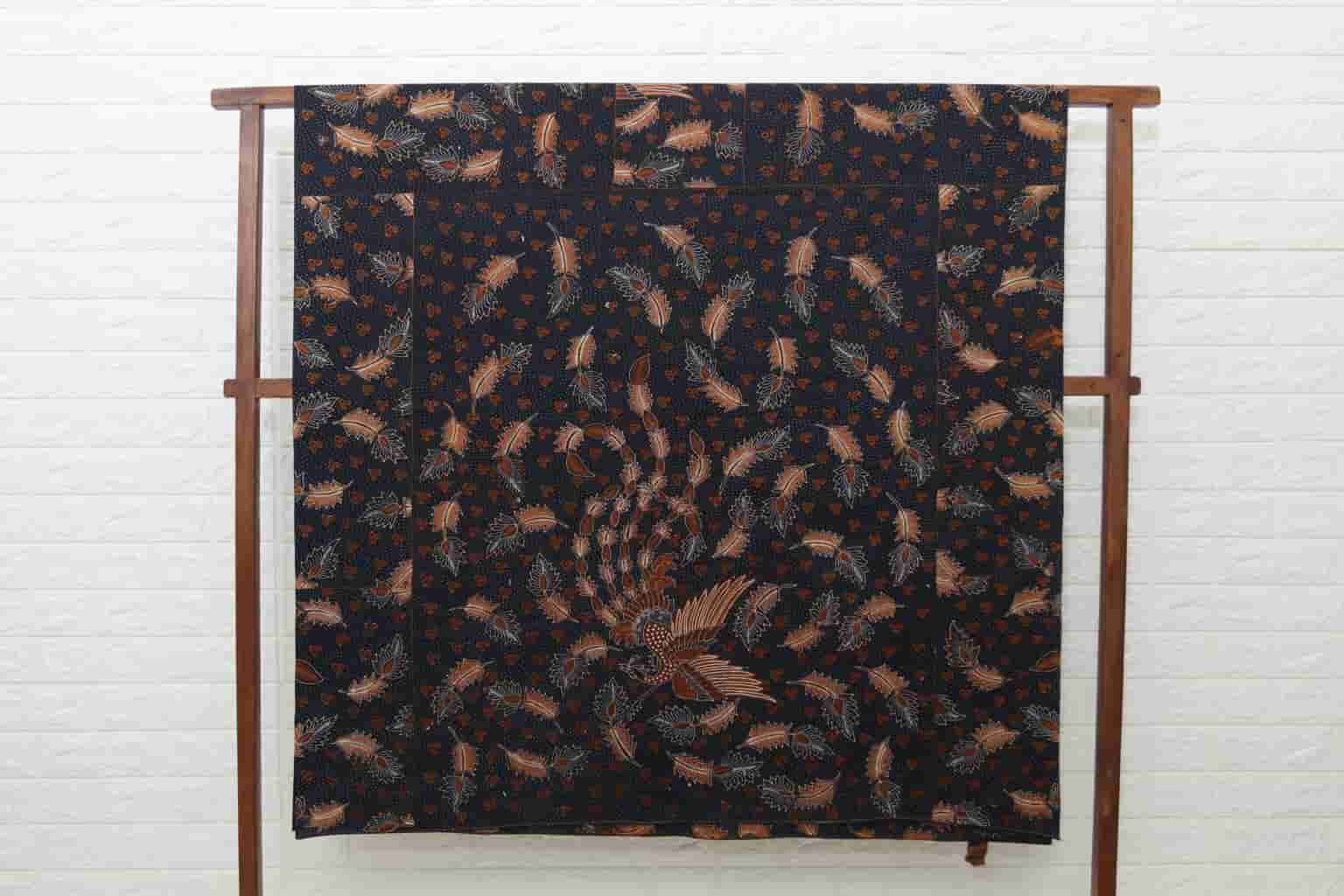
Authentic Hand-Drawn Batik: The True Art of Indonesian Batik Tulis Craftsmanship
Authentic hand-drawn batik is not simply a textile—it is a quiet culmination of patience, philosophy, and cultural awareness. Known as batik tulis, it is created through a slow, deliberate process where every line is drawn by hand and every color grows over time. Unlike printed or stamped fabrics, authentic hand-drawn batik carries depth, irregularity, and meaning that cannot be replicated. To wear it is not merely to dress, but to participate in a living tradition.
Yet in modern life, we often encounter batik without truly seeing it. It appears in offices, ceremonies, and formal gatherings, but its presence has become so familiar that its meaning begins to fade. We recognize the pattern, but not the story. We wear the fabric, but not the intention.
To truly understand authentic hand drawn batik tulis, we must slow down. We must return to the quiet space where culture is not displayed, but felt.
When Batik Becomes Habit, Not Understanding
In many environments, batik has become a uniform of expectation. It is worn because it is required, not because it is understood. Over time, repetition creates distance. And distance gently removes meaning.
We begin to choose batik based on color alone, or on what feels modern, or simply what is available. The deeper questions—about motif, about appropriateness, about cultural resonance—are rarely asked. And so, batik becomes surface without depth.
But batik was never meant to be surface. It was meant to be language.
The Mistakes We Wear Without Realizing
There are small, quiet mistakes that often go unnoticed. We are drawn to dense motifs, believing that more detail means more beauty. Yet in batik, balance is more meaningful than complexity.
We follow trends that shift quickly, choosing designs that attract attention but lack grounding. In doing so, we forget that batik is not meant to compete—it is meant to harmonize.
And perhaps most subtly, we overlook appropriateness. Certain motifs carry specific meanings, intended for particular moments. When worn without awareness, the fabric loses its voice.
The Living Process of Batik Tulis
Authentic hand-drawn batik is not produced in haste. It is shaped slowly, with patience that feels almost meditative. The process begins with carefully selected fabrics—primissima cotton, gamelan cotton, and kereta kencana cotton—each chosen for its ability to receive both color and meaning.
Then comes the hand. A canting tool releases warm wax in thin, deliberate lines. This is not done once, but repeated—often three times—so the motif becomes layered, like a thought revisited until it feels complete.
The coloring follows a similar rhythm. Through three stages of dyeing, colors deepen gradually. They do not arrive fully formed. They grow, as if the fabric itself is learning how to become what it is meant to be.
In this process, the fabric begins to hold memory. It remembers the hand that guided it. It remembers the pauses, the care, the quiet concentration. It becomes something more than material—it becomes presence.
Motifs That Speak Without Sound
Within batik tulis, motifs are never decorative alone. Parang moves diagonally like an unbroken wave, symbolizing strength and continuity. Kawung reflects balance and inner clarity, its symmetry offering a sense of calm restraint.
Sido Mukti carries hope for well-being and harmony, often chosen for moments of union. Each motif is a quiet message, shaped by generations who understood that clothing can communicate what words cannot.
These motifs do not demand attention. They whisper. And only when we listen with care do we begin to understand them.
Batik as a Reflection of Character
What we wear often reveals how we understand a moment. Batik, especially authentic hand-drawn batik, reflects not status, but awareness. It shows whether we recognize the tone of an event, the people we meet, and the space we enter.
There is a quiet elegance in choosing appropriately. A calm presence in wearing something that does not seek attention, yet carries depth. In this way, batik becomes a mirror—not of appearance, but of attitude.
And attitude, even when unspoken, is always felt.
Understanding the Difference: Tulis, Cap, and Print
Not all batik is created through the same journey. Batik tulis is drawn entirely by hand. Batik cap uses copper stamps to transfer patterns more quickly. Printed batik relies on modern machines for efficiency and uniformity.
Each has its place. Yet only batik tulis carries the irregular rhythm of the human hand. Its lines may gently vary, its colors may subtly shift, and its symmetry may breathe. These are not imperfections—they are signs of life.
Printed batik, in contrast, appears exact and repetitive. It presents pattern without process. It shows design, but not the time behind it.
To explore this deeper, understanding how to identify genuine batik tulis from Indonesia can gently guide us toward recognizing authenticity beyond appearance.
Choosing with Awareness, Not Urgency
When we choose batik, we are not selecting fabric alone. We are choosing how we wish to be present in a moment. The question is not what looks impressive, but what feels appropriate.
We begin to notice the softness of high-quality cotton, the calmness of balanced motifs, and the quiet harmony of colors that do not overwhelm. We sense whether a piece invites reflection or merely decoration.
And in this awareness, choice becomes more meaningful than abundance.
The Quiet Value Behind Handmade Batik
Authentic batik is often misunderstood as expensive. Yet its value is not rooted in luxury, but in process. It reflects time, patience, and craftsmanship that cannot be rushed.
Today, thousands of handmade batik fabrics exist, each carrying its own quiet story. At Batikdlidir, thousands of authentic hand-drawn batik collections are available—each measuring approximately 240 x 110 cm, with prices ranging from IDR 1–2 million.
These pieces are created using primissima cotton, gamelan cotton, and kereta kencana cotton, and undergo three stages of dyeing and three stages of hand canting. This is not repetition—it is refinement.
To understand further, reflecting on why handmade batik Indonesia holds deeper value than printed fabric can open a clearer perspective on what we truly receive.
From Understanding to Ownership
There comes a moment when appreciation becomes personal. When batik is no longer something we wear occasionally, but something we choose with intention.
Ownership, in this sense, is not about possession. It is about alignment. It is about finding a piece that reflects how we wish to move through the world—with calmness, with awareness, with quiet confidence.
If that moment feels near, a simple conversation can be enough. Through WhatsApp at 0822 6565 2222 with Pak Muzakir, one may begin to explore pieces that are not only seen, but understood.
And sometimes, understanding begins with a single step taken gently.
A Return to What Truly Matters
Authentic hand-drawn batik reminds us that beauty is not loud. It is steady. It does not demand attention—it earns it through presence.
It teaches us that what we wear can carry meaning, that tradition can live quietly within modern life, and that elegance is found not in excess, but in appropriateness.
In returning to batik, we are not looking backward. We are simply remembering what has always been there.
Frequently Asked Questions
What is authentic hand-drawn batik?
Authentic hand-drawn batik, or batik tulis, is a traditional fabric created manually using wax and a canting tool. Each piece is uniquely drawn by hand, resulting in natural variations and deeper artistic value.
How can we distinguish batik tulis from other types?
Batik tulis shows color penetration on both sides of the fabric and has slight irregularities in lines. Printed batik appears uniform and often lacks depth on the reverse side.
How long does it take to produce batik tulis?
The process can take weeks or even months, depending on the complexity of the motif and the number of dyeing stages involved.
What materials are commonly used?
High-quality cotton such as primissima cotton, gamelan cotton, and kereta kencana cotton are widely used for their comfort and ability to absorb dye effectively.
Why is batik tulis more valuable than printed batik?
Its value comes from the handmade process, cultural meaning, and the time invested in each piece, making it irreplaceable and deeply personal.
Can batik tulis be worn in modern settings?
Yes. While rooted in tradition, batik tulis can be worn in both formal and modern contexts, as long as it aligns with the occasion.
Where should we begin if we want to explore authentic batik?
Beginning with understanding pieces like authentic hand drawn batik tulis allows us to connect with both craftsmanship and cultural depth.
May we walk gently through life, wearing what carries meaning, honoring what holds memory, and receiving each day with calmness, clarity, and blessed sustenance.
🎨 Premium Handmade Batik Tulis
Discover exclusive collections only at Batikdlidir
💎 Price starts from IDR 1M – 2M+ per piece (240 x 110 cm)
✔ Authentic artwork, not just fabric
Crafted with premium cotton:
• Primissima
• Gamelan
• Kereta Kencana
Traditional batik process:
• Triple dyeing technique
• Handmade canting process (3x)
📞 +62 822 6565 2222
(Mr. Muzakir)
💬 Consult & Choose Your Batik Now |
🔥 Limited stock • Exclusive patterns (not mass-produced)