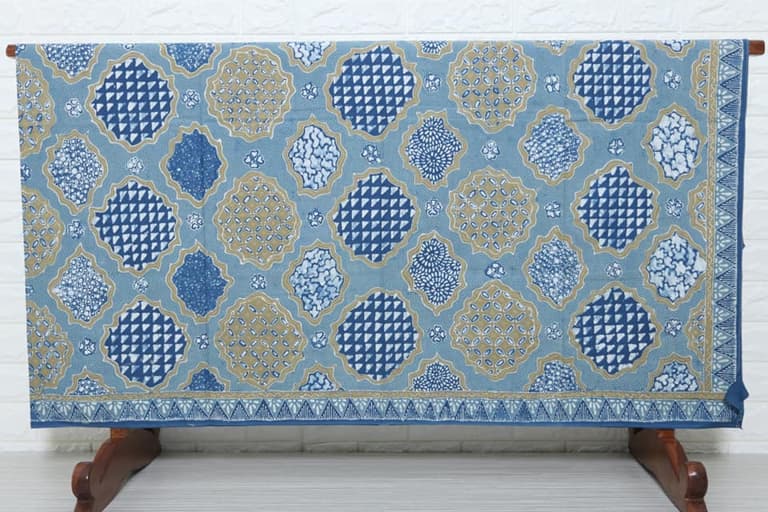
Colorfast Batik Tulis: How to Choose Long-Lasting Natural Dyes and Fade-Resistant Batik Fabric
Colorfast batik tulis refers to hand-drawn batik fabric whose colors remain stable, deep, and enduring over time. It is achieved through a careful combination of natural dye sources, repeated dyeing cycles, and proper color fixation. When done properly, the fabric does not simply display color—it preserves it with quiet strength and continuity.
In the world of authentic hand drawn batik tulis, color is never rushed. It is layered slowly, shaped by nature, and guided by the steady hands of the artisan. And within that process, durability becomes a reflection of patience rather than speed.
Understanding Colorfast Natural Dye Batik
Colorfast natural dye batik tulis depends on three essential elements: the source of the dye, the type of fabric, and the fixation process. When these elements meet in balance, the color becomes calm, grounded, and resistant to fading.
Some natural dyes are known for their strength and longevity. Indigofera tinctoria produces a deep blue that remains steady across time. Mahogany bark offers brown to reddish tones that settle warmly into the fabric.
Tegeran wood brings a golden yellow hue, while soga and jambal create the earthy browns often seen in classical Yogyakarta and Solo batik. Mangrove extracts also provide a range of brown, yellow, and reddish tones that feel both natural and enduring.
The Fabric That Receives the Color
Not all fabrics respond equally to natural dyes. Natural fibers absorb color more deeply, allowing the tones to become part of the cloth rather than resting on its surface.
Primissima cotton is widely known for its ability to hold color with clarity and softness. Silk introduces a gentle sheen, allowing the color to reflect light with quiet elegance.
Dobby fabric adds subtle texture, while mori cloth remains a traditional foundation for premium batik tulis. These materials do not compete with color—they receive it with openness and balance.
The Quiet Role of Fixation
Even the most beautiful dye will fade without proper fixation. This stage quietly determines how long the color will remain present.
Artisans use natural fixators such as alum, lime, and ferrous sulfate. Alum creates softer tones, lime enhances brightness, and ferrous sulfate deepens the color while improving resistance to fading.
In this moment, the process becomes both technical and intuitive. The artisan listens to the fabric, responds to the dye, and allows the color to settle with intention.
A Simple Guide to Choosing Long-Lasting Natural Dye Batik
Choosing colorfast batik tulis can feel intuitive when we understand a few essential principles. These are not rigid rules, but quiet guidelines shaped by experience.
We begin with the source of color. Natural dyes such as indigo, mahogany, tegeran, soga, and mangrove are known for their durability. They do not shout with brightness, yet they remain steady over time.
Then we consider the fabric. Materials like primissima cotton, silk, dobby, and mori absorb dye deeply, allowing the color to live within the fibers. The fabric does not resist—it collaborates.
Finally, we reflect on the fixation process. The use of alum, lime, or ferrous sulfate determines how the color settles and endures. When fixation is done with care, fading becomes less of a concern.
The Process Behind Lasting Color
Behind every stable color lies a layered process that cannot be hurried. In many traditional practices, the fabric undergoes three cycles of dyeing and three stages of hand canting.
Each layer of wax protects certain parts of the cloth while allowing others to absorb color gradually. This repetition creates depth, allowing the color to become part of the fabric’s identity.
Materials such as primissima cotton, gamelan cotton, and kereta kencana cotton respond beautifully to this process. They hold the dye with quiet resilience, allowing the color to remain present through time. Trusted Batik Tulis Vendor: Complete Guide to Colorfast Fabric and High-Quality Batik Wax for Premium Collections
Motifs That Hold Meaning Through Color
In batik tulis, motifs and color move together. The endurance of one protects the meaning of the other.
Parang speaks of strength and continuity. Kawung reflects balance and self-control. Sido Mukti carries a hope for prosperity and harmony. When these motifs are rendered in colorfast dyes, their voice remains clear and undisturbed.
The fabric becomes more than visual—it becomes a keeper of meaning, gently reminding us of values that do not fade.
Choosing with Awareness, Not Urgency
Choosing batik tulis is not about speed. It is about presence.
We observe how the color rests within the fabric. We notice whether it feels calm or forced. We sense whether the motif breathes naturally or appears rigid.
And sometimes, a piece simply feels right. It does not call loudly, yet it stays with us, quietly inviting attention.
The Value Behind Each Piece
Each piece of batik tulis carries time within its threads. It holds repeated dyeing, careful canting, and moments of stillness between each step.
Today, thousands of handmade batik fabrics are available, typically sized around 240 x 110 cm with a price range of around IDR 1–2 million per piece. This reflects not only material quality, but also the patience embedded in the process.
Available at Batikdlidir: thousands of authentic hand-drawn batik collections shaped through 3x dyeing and 3x hand canting. Each piece is created using materials such as primissima cotton, gamelan cotton, and kereta kencana cotton, allowing the color to settle deeply and gracefully.
If one wishes to explore further, a simple conversation via WhatsApp at 0822 6565 2222 Pak Muzakir can become a natural step—not as a transaction, but as a continuation of understanding.
A Fabric That Remembers Time
Colorfast batik tulis does not merely resist fading. It remembers time.
It remembers the plants that gave their color, the hands that guided the canting, and the quiet patience that shaped its form. The fabric carries all of this gently, without display.
And when we wear it, we carry that memory with us.
Wearing Batik as a Form of Awareness
Wearing batik tulis becomes an act of awareness. It reflects how we value process, patience, and cultural continuity, as also reflected in authentic hand drawn batik tulis as a deeper cultural journey.
We begin to understand that true elegance is not defined by brightness or excess. It is shaped by balance, restraint, and the quiet strength of things that endure.
In this way, batik tulis does not simply dress the body. It refines the way we see.
Closing Reflection
May we learn to appreciate what lasts, both in what we wear and in how we live. May our choices reflect patience, and may our steps move with calm intention.
May we be given health, peace in the heart, and sustenance that is blessed and sufficient. And may every thread we wear carry not only beauty, but also meaning.
FAQ About Colorfast Batik Tulis
What is colorfast batik tulis?
Colorfast batik tulis is hand-drawn batik made using natural dyes, proper fixation, and repeated processes that ensure the color remains stable and resistant to fading.
Which natural dyes last the longest?
Indigo, mahogany bark, tegeran wood, soga, and mangrove extracts are among the most durable natural dyes used in traditional batik.
Why is fixation important in batik tulis?
Fixation locks the dye into the fabric fibers, ensuring that the color does not easily fade over time.
What fabric is best for colorfast batik?
Primissima cotton, silk, dobby, and mori fabrics are ideal because they absorb and retain natural dyes effectively.
Is colorfast batik suitable for formal occasions?
Yes, its calm and stable tones make it highly appropriate for formal events, ceremonies, and traditional gatherings.
Why does authentic batik tulis have a higher price?
The price reflects the time-intensive process, including multiple dyeing stages, hand canting, and the use of high-quality materials.
🎨 Premium Handmade Batik Tulis
Discover exclusive collections only at Batikdlidir
💎 Price starts from IDR 1M – 2M+ per piece (240 x 110 cm)
✔ Authentic artwork, not just fabric
Crafted with premium cotton:
• Primissima
• Gamelan
• Kereta Kencana
Traditional batik process:
• Triple dyeing technique
• Handmade canting process (3x)
📞 +62 822 6565 2222
(Mr. Muzakir)
💬 Consult & Choose Your Batik Now
🔥 Limited stock • Exclusive patterns (not mass-produced)
 WhatsApp Mr Mudzakir