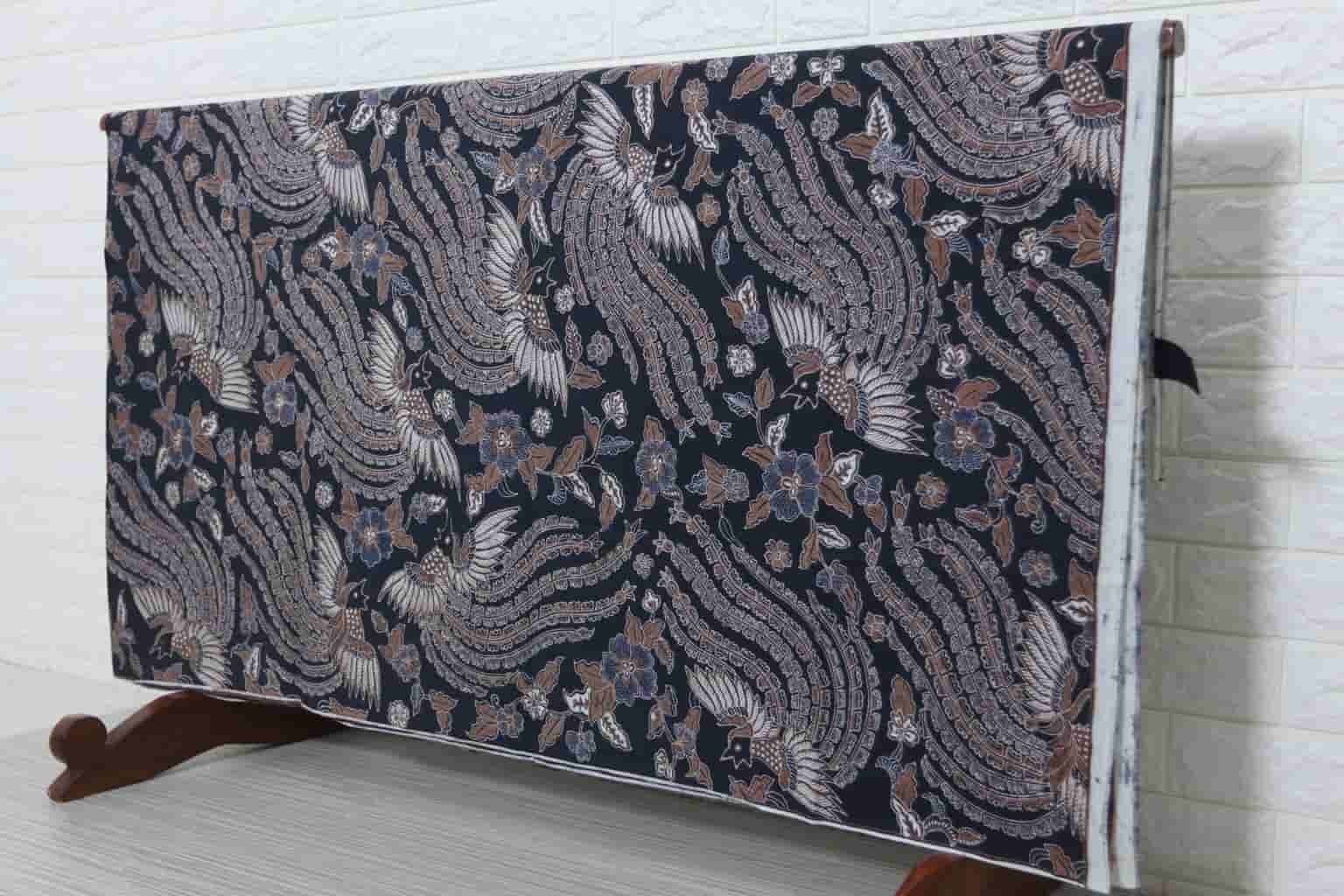
Hand-Drawn Textile Art: Understanding the Beauty and Process of Batik Tulis Techniques
Hand-drawn textile art, known as batik tulis, is a traditional Indonesian technique where patterns are created manually using wax and a canting tool. This process results in fabrics that carry depth, subtle variation, and unmistakable authenticity. Each piece reflects time, patience, and human touch rather than mechanical repetition. It stands as one of the most refined forms of textile craftsmanship in the world.
To encounter batik tulis is to slow down. The fabric does not reveal itself instantly; instead, it invites quiet attention. Its lines seem to breathe, and its motifs unfold gently, as if they remember the hands that shaped them.
The Quiet Language of Hand-Drawn Textile Art
In Javanese tradition, beauty often speaks in a low voice. Batik tulis follows this principle, expressing meaning through restraint rather than excess. A motif like Parang flows diagonally, suggesting strength and continuity, while maintaining a composed rhythm.
Kawung appears balanced and meditative, reflecting inner control and harmony. Sido Mukti carries a sense of hope, often chosen for meaningful life moments. These motifs do not simply decorate; they whisper values that remain relevant across generations.
When we wear such fabric, we are not merely choosing aesthetics. We are entering a conversation shaped by culture, philosophy, and time itself.
The Process That Shapes Meaning
The journey begins with carefully selected materials such as primissima cotton, gamelan cotton, or kereta kencana cotton. These fabrics offer a smooth surface and allow dyes to settle gracefully. At this stage, the cloth feels quiet, almost as if it is waiting to receive its story.
Then the canting touches the surface, releasing warm wax in controlled lines. Each movement requires precision and calm focus. The artisan repeats this process through three stages of dyeing and three stages of hand canting, allowing colors to build gradually.
Time becomes an essential element here. A single piece can take weeks or even months to complete. The fabric absorbs not only color but also intention, patience, and care.
This is why authentic hand drawn batik tulis carries a presence that feels alive. It reflects a rhythm that cannot be rushed.
Recognizing Authentic Craftsmanship
Authenticity in batik tulis often reveals itself through subtlety. The lines may appear slightly irregular, yet they feel organic and intentional. The reverse side of the fabric shows similar patterns, though often softer in tone.
When touched, the fabric feels natural and breathable. The colors do not sit on the surface; they seem to merge with the cloth. These small details quietly confirm that the piece was shaped by human hands.
We begin to recognize that true craftsmanship does not seek perfection. Instead, it embraces life within imperfection.
Appropriateness in Wearing Batik
In Javanese culture, wearing batik is guided by a sense of appropriateness. Not every motif belongs to every moment. Parang, for instance, carries authority and is often reserved for formal or symbolic settings.
Meanwhile, gentler motifs accompany daily life with understated elegance. The choice becomes less about fashion and more about harmony—between the wearer, the occasion, and the meaning of the fabric.
When chosen with awareness, batik tulis does not dominate appearance. It settles quietly, enhancing presence without demanding attention.
The Value Beyond Price
A piece of batik tulis, typically measuring around 240 x 110 cm, is often valued between IDR 1–2 million. Yet its worth extends beyond numbers. It reflects the time, skill, and dedication required to bring it into existence.
Thousands of handmade batik fabrics are available, each carrying its own character. At Batikdlidir, this collection feels like a gathering of stories rather than a display of products.
Available at Batikdlidir are thousands of authentic hand-drawn batik collections, each waiting to be understood. Ownership here feels less like acquisition and more like connection.
A Gentle Way to Choose Batik Tulis
Choosing batik tulis is not a hurried decision. We begin by observing how the motif speaks to us, how the colors respond to light, and how the fabric feels in hand. These impressions guide us more naturally than any checklist.
Sometimes, understanding grows through quiet conversation. Reaching out via WhatsApp to 0822 6565 2222 with Pak Muzakir becomes a simple way to explore further, not as a transaction, but as a continuation of curiosity.
In this process, we learn that selecting batik tulis is as much about self-awareness as it is about the fabric itself.
The Fabric That Carries Memory
Batik tulis does not remain static. Over time, it softens and adapts, becoming more personal with each wear. The fabric seems to remember moments—both significant and ordinary.
Its motifs continue to whisper quietly, offering calmness and continuity. The colors settle into familiarity, grounding us in something enduring.
In this way, batik tulis becomes more than clothing. It becomes part of our story.
Understanding the Broader Tradition
To see the full depth of this craft, we can explore a complete guide to Indonesian batik tulis art. There, the connections between history, philosophy, and craftsmanship unfold more fully.
This broader perspective allows us to appreciate each piece not as an isolated object, but as part of a living tradition that continues to evolve.
Closing Reflection
The beauty of hand-drawn textile art lies in its quiet persistence. It teaches us to value time, to notice detail, and to respect the process behind creation.
May every fabric we encounter remind us to move with patience. May we be guided toward choices that bring balance and meaning. And may we be granted health, peace, and blessed sustenance in all that we do.
Frequently Asked Questions
What is hand-drawn textile art in batik tulis?
It refers to the traditional method of creating batik using a canting tool and wax, where each pattern is drawn manually without machines.
How can I tell if batik tulis is authentic?
Authentic batik tulis shows slight irregularities, color penetration on both sides, and a natural texture that reflects manual craftsmanship.
What materials are used in high-quality batik tulis?
Common materials include primissima cotton, gamelan cotton, and kereta kencana cotton, chosen for comfort and dye absorption.
Why does batik tulis take a long time to produce?
Because it involves multiple stages of hand drawing and dyeing, often repeated several times to achieve layered colors and detailed motifs.
Is batik tulis suitable for formal occasions?
Yes, certain motifs like Parang or Sido Mukti are traditionally associated with formal and ceremonial events.
Where can I explore authentic batik tulis collections?
You can explore curated selections through trusted sources such as Batikdlidir, which offers a wide range of handmade batik fabrics.
🎨 Premium Handmade Batik Tulis
Discover exclusive collections only at Batikdlidir
💎 Price starts from IDR 1M – 2M+ per piece (240 x 110 cm)
✔ Authentic artwork, not just fabric
Crafted with premium cotton:
• Primissima
• Gamelan
• Kereta Kencana
Traditional batik process:
• Triple dyeing technique
• Handmade canting process (3x)
📞 +62 822 6565 2222
(Mr. Muzakir)
💬 Consult & Choose Your Batik Now
🔥 Limited stock • Exclusive patterns (not mass-produced)
 WhatsApp Mr Mudzakir