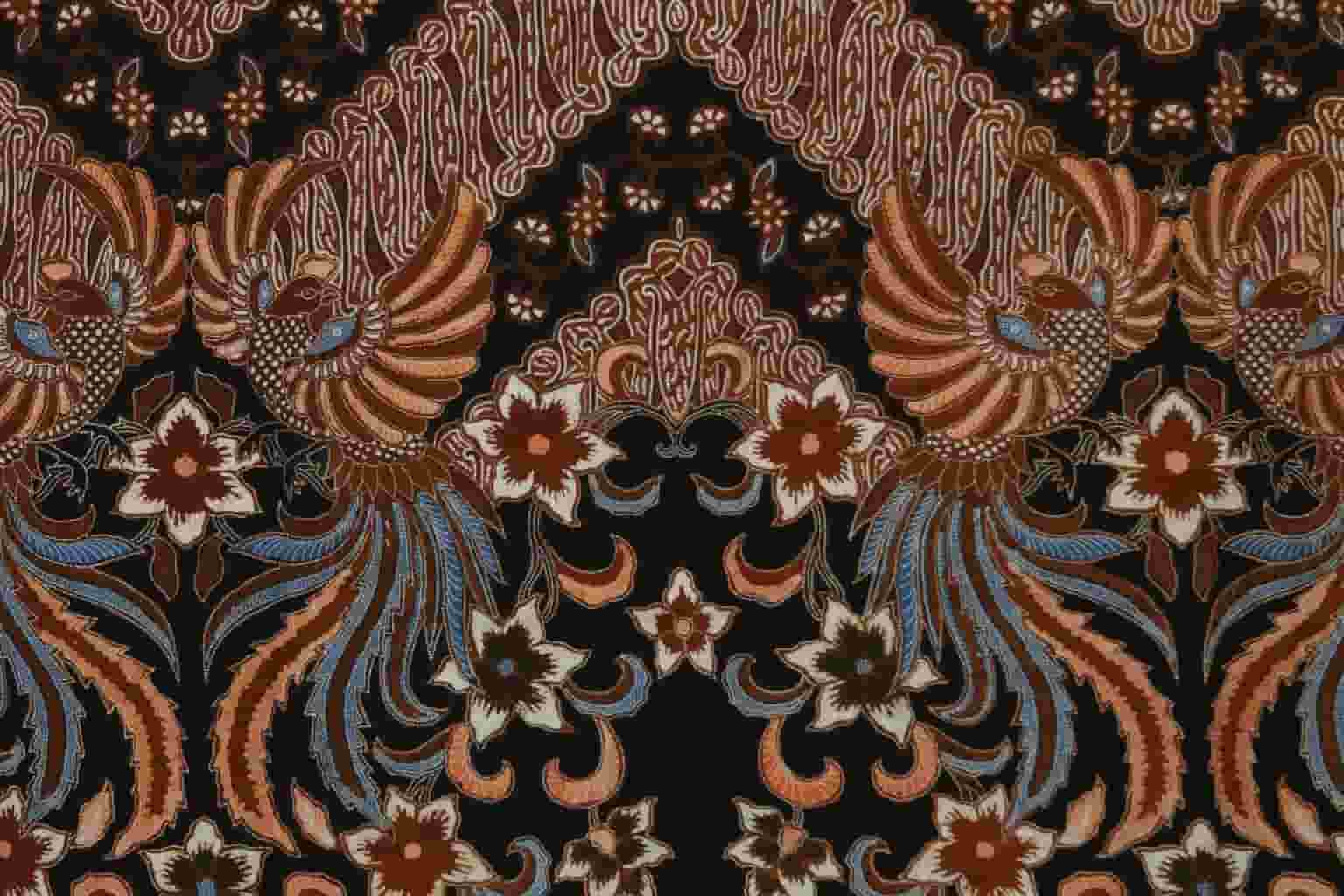
Handmade Batik Indonesia: Why Traditional Batik Tulis Is More Valuable Than Printed Batik
Handmade batik Indonesia, especially traditional batik tulis, holds greater value than printed batik because it carries human touch, cultural meaning, and time-intensive craftsmanship. Each piece is drawn by hand using canting, layered through multiple dyeing processes, and shaped by patience rather than machines. As a result, it is not only fabric, but a quiet record of devotion, tradition, and identity. This is why genuine batik tulis continues to be regarded as more meaningful and enduring.
When we look at a piece of batik tulis, we are not simply seeing patterns. We are witnessing time made visible. The lines are not perfectly uniform, and yet that is precisely where its beauty rests.
In contrast, printed batik often appears flawless at first glance. However, it lacks the subtle irregularities that reveal the presence of the human hand. It is efficient, yes, but it does not linger in the same way.
The Quiet Presence of Handmade Batik Indonesia
Handmade batik Indonesia carries a presence that feels calm and grounded. It does not demand attention loudly, yet it draws the eye through its depth. Each motif seems to breathe gently, as if remembering the artisan who created it.
Traditional batik tulis is created through a process that requires stillness and patience. The artisan traces wax lines using a canting tool, repeating the gesture multiple times. Then, the fabric undergoes three cycles of dyeing and three stages of hand canting, allowing colors to settle gradually into the cloth.
Because of this layered process, the colors do not simply sit on the surface. They sink, they mature, and they soften. The fabric becomes something that feels alive, almost as if it carries a quiet memory within its threads.
Why Batik Tulis Holds Deeper Value
The value of batik tulis does not come from rarity alone. It comes from intention. Every line is placed with awareness, and every motif carries a story shaped by generations.
Motifs such as Parang speak of strength and continuity. Kawung reflects balance and clarity. Sido Mukti carries a hope for prosperity and harmony. These are not decorations; they are quiet messages woven into everyday life.
Printed batik, while visually appealing, often separates motif from meaning. The pattern becomes surface-level, detached from its philosophical roots. As a result, it may look similar, but it does not feel the same.
The Difference You Can Sense, Not Just See
When you hold handmade batik Indonesia, you may notice a softness that feels natural. The reverse side of the fabric reveals faint traces of the pattern, a sign that the dye has fully penetrated the cloth. This is one of the subtle marks of genuine batik tulis.
In contrast, printed batik often shows a clear difference between front and back. The color remains on the surface, and the fabric feels more uniform, sometimes even distant.
Over time, batik tulis ages gracefully. The colors mellow, and the fabric becomes even more comfortable. It does not fade abruptly; it evolves quietly, like something that understands time.
Understanding the Process Behind the Cloth
The making of batik tulis is not rushed. It begins with selecting high-quality materials such as primissima cotton, gamelan cotton, or kereta kencana cotton. Each type offers a different texture and character, yet all are chosen for their ability to hold dye beautifully.
The artisan then begins the hand-drawing process, applying hot wax carefully along the design. This step is repeated, refined, and layered. Afterward, the fabric goes through multiple dyeing stages, including 3x dyeing and 3x hand canting, allowing colors to deepen gradually.
Because of this complexity, each piece becomes unique. Even when the same motif is repeated, no two fabrics are ever truly identical. Each carries its own quiet personality.
When and How Batik Tulis Feels Appropriate
There is a sense of appropriateness when wearing batik tulis. It is not about formality alone, but about harmony between the wearer, the occasion, and the fabric itself.
For formal gatherings, motifs like Sido Mukti or Parang often feel fitting, as they reflect dignity and intention. For more relaxed settings, softer patterns may bring a sense of ease and calm.
When chosen thoughtfully, batik tulis does not overpower the wearer. Instead, it complements quietly, allowing presence to emerge naturally rather than forcefully.
A Living Tradition, Not Just a Textile
Handmade batik Indonesia is not static. It continues to evolve while remaining rooted in tradition. Each generation of artisans adds subtle variations, yet the essence remains intact.
This continuity is what gives batik tulis its enduring relevance. It does not belong only to the past. It moves gently into the present, adapting without losing its soul.
To understand its deeper meaning, you may explore the broader perspective of
authentic hand drawn batik tulis, where patience and cultural philosophy are woven together.
Recognizing Genuine Handmade Batik Indonesia
To recognize genuine batik tulis, we do not need to become experts immediately. We simply need to observe with patience. Look at the lines, feel the texture, and notice how the colors settle into the fabric.
Irregularity is not a flaw. It is a sign of life. The slight differences in line thickness, the subtle variations in color—these are traces of the human hand.
Over time, this awareness grows. We begin to sense the difference, not only visually but emotionally. The fabric feels closer, more personal, more meaningful.
Value Beyond Price
It is true that handmade batik Indonesia often comes with a higher price, commonly around IDR 1–2 million per piece (240 x 110 cm). However, this value reflects time, skill, and cultural depth rather than mere material.
Each piece may take weeks or even months to complete. It carries layers of effort that cannot be rushed or replicated by machines. In this sense, the price becomes a reflection of respect—for the process, for the artisan, and for the tradition itself.
Available at Batikdlidir: thousands of authentic hand-drawn batik collections. Each fabric quietly carries the story of its making, waiting to be understood rather than simply owned.
A Gentle Path Toward Ownership
Owning batik tulis is not about collecting many pieces at once. It is about choosing one that resonates. A piece that feels aligned with your sense of self and your understanding of appropriateness.
Thousands of handmade batik fabrics are available, each crafted with care using primissima cotton, gamelan cotton, and kereta kencana cotton. Every piece passes through a long, patient process before it reaches your hands.
If you ever feel curious, you may simply reach out through WhatsApp at 0822 6565 2222 (Pak Muzakir). Not as a transaction, but as a quiet conversation about fabric, meaning, and choice.
Returning to What Truly Matters
In a world that often moves quickly, batik tulis invites us to slow down. It reminds us that value is not always found in perfection, but in presence.
The fabric remembers time. The motifs whisper tradition. The colors carry calmness into the rhythm of daily life.
And perhaps, in choosing handmade batik Indonesia, we are also choosing to carry those values with us—quietly, respectfully, and with intention.
May what we wear bring calm to our steps, clarity to our thoughts, and dignity to our presence. May we be granted health, peace, and blessed sustenance in all that we do.
Frequently Asked Questions
What makes handmade batik Indonesia different from printed batik?
Handmade batik Indonesia is created using hand-drawn techniques with wax and multiple dyeing processes, while printed batik is produced by machines. This results in deeper color absorption, unique patterns, and a stronger cultural meaning.
How can I identify genuine batik tulis?
You can observe the irregularity of lines, check that patterns appear on both sides, and feel the softness of the fabric. These signs indicate hand-drawn craftsmanship.
Why is batik tulis more valuable?
Because it involves time, patience, and cultural depth. Each piece is handmade and cannot be replicated exactly, making it more meaningful than mass-produced fabric.
What fabrics are used in authentic batik tulis?
Common materials include primissima cotton, gamelan cotton, and kereta kencana cotton, all known for their ability to absorb dye and produce refined textures.
Is batik tulis suitable for formal occasions?
Yes. Certain motifs such as Parang and Sido Mukti are often worn in formal or ceremonial settings due to their symbolic meaning.
Where can I explore authentic handmade batik Indonesia?
You can explore collections at Batikdlidir, where thousands of authentic hand-drawn batik fabrics are available, each reflecting craftsmanship and cultural heritage.
🎨 Premium Handmade Batik Tulis
Discover exclusive collections only at Batikdlidir
💎 Price starts from IDR 1M – 2M+ per piece (240 x 110 cm)
✔ Authentic artwork, not just fabric
Crafted with premium cotton:
• Primissima
• Gamelan
• Kereta Kencana
Traditional batik process:
• Triple dyeing technique
• Handmade canting process (3x)
📞 +62 822 6565 2222
(Mr. Muzakir)
💬 Consult & Choose Your Batik Now |
🔥 Limited stock • Exclusive patterns (not mass-produced)