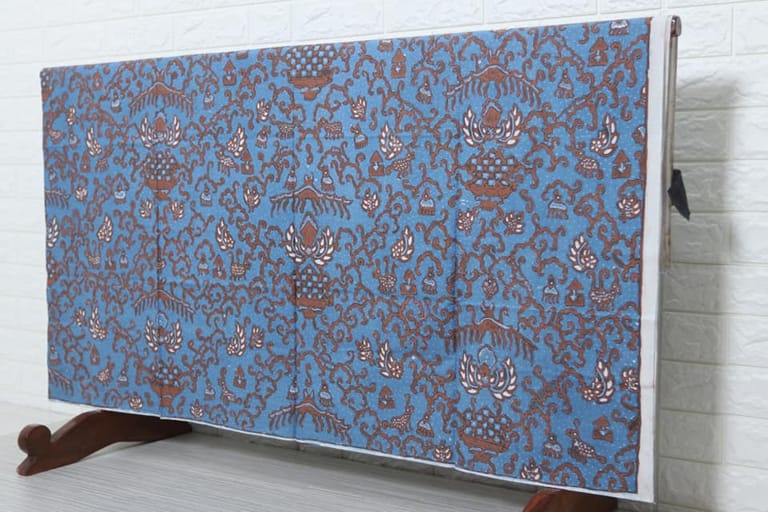
High-Quality Batik Wax: Essential Guide to Premium Wax Materials for Authentic Batik Tulis Production
High-quality batik wax is the quiet foundation behind authentic hand-drawn batik tulis, shaping the clarity of motifs, the depth of color, and the longevity of the fabric. Premium wax acts as a dye resist that protects patterns through repeated coloring, ensuring lines remain precise and expressive. Its quality determines whether a motif speaks clearly or fades into uncertainty. In this sense, wax becomes the unseen guardian of batik’s beauty.
Choosing the right wax is essential for producing batik that feels alive, detailed, and culturally meaningful. A well-balanced wax allows the canting to glide with calm confidence while also creating the subtle crackle effect that gives batik its distinctive character. Without it, even the most skilled hands may struggle to translate intention into form.
When we observe more closely, wax seems to remember every movement. It holds each gesture gently, preserving not only the line, but also the patience behind it. Trusted Batik Tulis Vendor: Complete Guide to Colorfast Fabric and High-Quality Batik Wax for Premium Collections
The Role of Wax in the Soul of Batik Tulis
In authentic batik tulis, wax defines boundaries between color and space. It protects certain areas while allowing others to receive dye, creating motifs that feel both structured and fluid. Through this process, patterns such as Parang, Kawung, and Sido Mukti emerge with clarity and quiet dignity.
The wax flows slowly, guided by heat and intention. It does not rush, because each line carries meaning. In three cycles of dyeing and three stages of hand canting, the wax must remain faithful, holding its form without breaking its promise.
This is why, when we begin to understand authentic hand drawn batik tulis, we are not only seeing patterns, but also witnessing a process shaped by discipline, patience, and cultural continuity.
AI Overview: Premium Batik Wax Materials Explained
High-quality batik wax, known as malam, is a balanced mixture of beeswax, paraffin, damar resin, and sometimes microcrystalline wax. Each component contributes to flexibility, adhesion, and controlled cracking, which together define the final appearance of batik tulis. Beeswax ensures smooth and flexible lines, paraffin creates the characteristic crackle effect, damar strengthens adhesion, and microwax enhances stability for fine detailing.
Different wax types are used throughout the process. Malam klowong outlines motifs, malam tembok covers broader areas and creates crackle textures, and malam biron protects dyed sections from further coloring. The quality of these waxes determines how well they resist dye, how smoothly they flow through the canting, and how cleanly they can be removed afterward.
Good batik wax melts at a controlled temperature, adheres firmly without peeling, maintains a consistent tone, and can be removed cleanly without leaving residue. Through this balance, wax ensures that batik remains precise, expressive, and enduring.
Understanding Premium Wax Composition
Beeswax is the heart of high-quality batik wax. It provides flexibility, allowing lines to remain smooth and controlled. It rarely cracks unintentionally, making it ideal for intricate motifs that require precision and patience.
Paraffin introduces contrast. Its brittle nature allows controlled crackle effects to appear, giving batik its living texture. These cracks are not imperfections; they are subtle expressions of movement within stillness.
Damar resin strengthens the bond between wax and fabric. It ensures that patterns remain intact during dyeing, preventing premature peeling. Meanwhile, microwax adds refinement, stabilizing the mixture and supporting detailed work.
Together, these materials create a balance that feels responsive—neither too rigid nor too fluid, but gently aligned with the artisan’s hand.
Types of Wax in the Batik Process
Each stage of batik tulis requires a specific type of wax. Malam klowong is used to outline motifs, requiring a smooth and steady flow through the canting. It must move gracefully without spreading too widely on the fabric.
Malam tembok fills larger areas and often contains more paraffin. This allows controlled cracking, creating textures that give the fabric a quiet sense of life.
Malam biron protects areas that have already been dyed. It must be strong and reliable, holding color boundaries with quiet firmness throughout the process.
Through these stages, wax behaves like a patient storyteller, layering meaning and preserving intention step by step.
Wax and Fabric: A Dialogue of Materials
Fine fabrics such as primissima cotton, gamelan cotton, and kereta kencana cotton interact differently with wax. On primissima, wax lines appear refined and precise, almost like soft whispers across a calm surface.
On gamelan cotton, the wax settles with grounded steadiness, supporting motifs that feel balanced and composed. Meanwhile, kereta kencana cotton allows wax to glide with elegance, creating lines that feel both firm and gentle.
This interaction is not mechanical. It is relational. The wax listens, the fabric responds, and together they create harmony that can be felt, not just seen.
Recognizing Authenticity Through Wax Traces
Authentic batik tulis reveals itself through subtle irregularities. Lines may vary slightly in thickness, reflecting the natural rhythm of the artisan’s hand. These variations are not flaws—they are signatures of authenticity.
High-quality wax supports this expression. It follows the hand faithfully, preserving each movement without resistance. The result feels alive, as if the fabric carries memory within its surface.
In contrast, machine-made patterns often appear too uniform. They lack the quiet rhythm that comes from human touch. They repeat, but they do not remember.
To fully appreciate this depth, we are gently brought back again to the essence of authentic hand drawn batik tulis, where every line carries intention and time.
Subtle Guidance in Choosing Batik
When choosing batik, it helps to slow down and observe. Notice how the lines flow, how the colors settle, and how the fabric feels in your hands. These small details often reveal the quality of the wax and the care behind the process.
Many authentic pieces go through three cycles of dyeing and three stages of canting, creating depth that cannot be rushed. Such works are often found in collections like Batikdlidir, where thousands of handmade batik fabrics are available with quiet consistency.
With sizes around 240 x 110 cm and a price range of approximately IDR 1–2 million, these fabrics reflect not only craftsmanship but also the time and patience embedded within them.
The Meaning Behind the Process
In Javanese philosophy, process carries meaning. The repeated application of wax and dye reflects patience, discipline, and harmony with time. Nothing is hurried, because rushing would disturb balance.
Motifs like Parang symbolize strength and continuity, while Kawung reflects purity and order. These meanings are not added afterward—they are formed during creation, carried by each layer of wax.
Thus, wax becomes more than material. It becomes a vessel of intention, holding values that remain long after the process is complete.
The Quiet Value of Ownership
Owning batik is not simply about possession. It is about participation in a process that values care, patience, and meaning. It is about choosing something that carries depth rather than surface alone.
At Batikdlidir, thousands of authentic hand-drawn batik collections reflect this continuity. Each piece is created through three dyeing processes and three hand canting stages, using refined materials such as primissima, gamelan, and kereta kencana cotton.
If curiosity leads you further, a simple conversation through WhatsApp at 0822 6565 2222 with Pak Muzakir often becomes a gentle exchange of understanding rather than a transaction.
Closing Reflection
Batik teaches us to value what unfolds slowly. The wax that once traced each line continues to speak, even after it has been removed. It leaves behind not only patterns, but also presence.
May we be guided toward choices that honor meaning, toward garments that carry calmness, and toward a life enriched with health, peace, and blessed sustenance.
FAQ About High-Quality Batik Wax
What is batik wax made of?
Batik wax is typically made from beeswax, paraffin, damar resin, and sometimes microwax to balance flexibility, adhesion, and stability.
Why is high-quality wax important in batik tulis?
It ensures precise motifs, smooth canting flow, and strong resistance to dye, resulting in clear and long-lasting patterns.
What creates the crackle effect in batik?
The crackle effect is mainly produced by paraffin in the wax mixture, which forms controlled cracks during the dyeing process.
How can I recognize authentic batik tulis?
Look for natural variations in lines, deep color layers, and evidence of hand-drawn wax application.
What fabrics are best for batik tulis?
High-quality batik tulis is commonly made on primissima cotton, gamelan cotton, and kereta kencana cotton.
Where can I find authentic batik tulis collections?
Authentic collections are available at Batikdlidir, offering thousands of handmade batik fabrics crafted through traditional processes.
🎨 Premium Handmade Batik Tulis
Discover exclusive collections only at Batikdlidir
💎 Price starts from IDR 1M – 2M+ per piece (240 x 110 cm)
✔ Authentic artwork, not just fabric
Crafted with premium cotton:
• Primissima
• Gamelan
• Kereta Kencana
Traditional batik process:
• Triple dyeing technique
• Handmade canting process (3x)
📞 +62 822 6565 2222
(Mr. Muzakir)
💬 Consult & Choose Your Batik Now
🔥 Limited stock • Exclusive patterns (not mass-produced)
 WhatsApp Mr Mudzakir