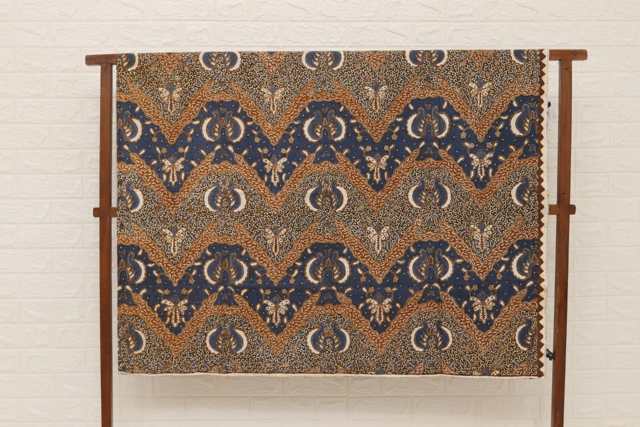
Historical Batik Motifs for Collectors: Rare and Meaningful Batik Tulis Patterns from Solo Indonesia
Historical batik motifs from Solo Indonesia are more than decorative patterns; they are layered cultural codes shaped by centuries of Javanese philosophy. For collectors, these motifs hold meaning, status, and narrative depth, often expressed through meticulous hand-drawn techniques. Authentic batik tulis from Solo carries both visual refinement and symbolic intention, making each piece a quiet archive of tradition. Understanding these motifs allows us to appreciate not only their beauty, but also their place within a living cultural heritage.
seragam batik tulis murah berkualitas untuk perusahaan elegan
seragam batik cap murah berkualitas untuk perusahaan modern
seragam batik printing murah berkualitas untuk perusahaan modern
cetak batik logo custom murah dan berkualitas untuk seragam perusahaan
konveksi batik Solo murah berkualitas untuk seragam custom perusahaan 2026
There is a certain stillness in a piece of old batik. The lines seem to breathe slowly, as if remembering the hands that once traced them with patience. In Solo, where refinement is valued over display, batik does not speak loudly, yet it never falls silent.
Collectors often find themselves drawn not only to rarity, but to meaning. A motif is not chosen casually; it is felt, understood, and sometimes even waited for. In this quiet process, batik becomes more than fabric—it becomes a companion to one’s sense of identity.
To fully appreciate the depth behind bespoke creations, it is important to understand the foundation of authentic batik tulis from Solo Indonesia, where heritage, patience, and cultural value are preserved through generations.
The Living Memory Behind Historical Batik Motifs
Historical batik motifs from Solo are shaped by the court traditions of Surakarta, where symbolism governs aesthetics. Patterns such as Parang, Kawung, and Sido Mukti were once reserved for nobility, each carrying specific philosophical messages about life, harmony, and responsibility.
Parang flows diagonally like an unbroken wave, symbolizing strength and continuity. It does not merely decorate the cloth; it teaches resilience. Kawung, with its symmetrical circles, reflects balance and self-control, while Sido Mukti quietly wishes for prosperity and inner fulfillment.
These motifs do not impose themselves. Instead, they whisper—gently guiding the wearer toward awareness of their place in the world. For collectors, this subtlety is precisely where the value resides.
The Collector’s Sensibility: Beyond Rarity
To collect batik tulis is not simply to accumulate objects, but to recognize stories. Each hand-drawn piece carries slight irregularities, and within those imperfections lies authenticity. No two fabrics are ever truly identical, because each one follows the rhythm of human hands.
Collectors often develop a sensitivity to line quality, color depth, and motif composition. They begin to notice how a motif breathes differently when drawn with intention, how the wax resists dye in a way that feels almost alive.
This is where authentic hand drawn batik tulis reveals its quiet authority. It does not seek attention, yet it naturally commands respect.
Over time, a collector learns that value is not defined by age alone, but by the harmony between motif, technique, and material. A well-executed contemporary piece may carry more soul than an older one that lacks refinement.
Materials That Carry Quiet Luxury
The foundation of a meaningful batik lies in its material. In Solo, artisans often work with primissima cotton, gamelan cotton, and kereta kencana cotton—each chosen for its ability to receive dye with clarity and grace.
Primissima cotton offers a smooth, refined surface, allowing intricate motifs to appear with precision. Gamelan cotton feels slightly more grounded, holding color with a gentle depth. Meanwhile, kereta kencana cotton carries a subtle weight, lending presence to the fabric without heaviness.
These materials do not compete with the motif. Instead, they support it—like a quiet stage that allows the story to unfold.
Within collections available at Batikdlidir, thousands of handmade batik fabrics rest patiently, each one shaped through a process of three cycles of dyeing and three cycles of hand canting. This repetition is not excess; it is devotion.
The Process That Shapes Meaning
True batik tulis is never rushed. The process of hand canting requires steady breathing, focused attention, and a willingness to accept imperfection. Wax flows through the canting tool like ink through memory, marking the fabric with intention.
After each layer of wax, the fabric is dyed, dried, and prepared again. Three times this cycle repeats, allowing colors to deepen and motifs to mature. The result is not merely visual richness, but a sense of time embedded within the cloth.
In this way, the fabric becomes something that remembers. It remembers the pauses, the corrections, and the quiet perseverance of the artisan.
When and How Historical Batik Finds Its Place
Wearing historical batik motifs is not about display, but about appropriateness. Certain patterns carry meanings that align with specific occasions. Sido Mukti, for example, is often chosen for celebrations that honor life transitions, while Parang carries a sense of strength suitable for formal presence.
In contemporary settings, these rules are softened, yet their essence remains. To wear batik with awareness is to respect the conversation between past and present.
Collectors understand that ownership does not always mean frequent use. Sometimes, a piece is kept, observed, and appreciated in quiet moments. It becomes part of one’s personal landscape, rather than a garment to be worn casually.
Recognizing Authenticity Without Noise
Authentic batik tulis reveals itself through subtle signs. The reverse side of the fabric carries the same story as the front, though often in softer tones. The lines are not mechanically perfect, yet they feel intentional.
There is also a certain calmness in natural color absorption. Synthetic prints may appear sharp, but they lack depth. Hand-dyed batik, on the other hand, allows colors to settle gently, as if they belong to the fabric.
Price, too, reflects the process. A piece measuring around 240 x 110 cm, created through full hand-drawn technique, often resides within the range of IDR 1–2 million. This is not merely a cost, but a reflection of time, skill, and cultural continuity.
A Quiet Path Toward Appreciation
As one spends more time with batik, a shift occurs. The focus moves from appearance to meaning, from ownership to connection. The fabric no longer feels like an object, but like a presence that accompanies one’s journey.
At Batikdlidir, thousands of authentic hand-drawn batik collections are available, each carrying its own rhythm and character. Yet the true value is not in the number of pieces, but in the depth of understanding they invite.
For those who feel drawn to explore further, a quiet conversation can begin through WhatsApp at 0822 6565 2222 with Pak Muzakir. Not as a transaction, but as a continuation of curiosity.
Closing Reflection
In the end, historical batik motifs do not ask to be owned. They ask to be understood. They carry the patience of those who created them and the wisdom of a culture that values harmony over excess.
To fully appreciate the depth behind bespoke creations, it is important to understand the foundation of authentic batik tulis from Solo Indonesia, where heritage, patience, and cultural value are preserved through generations.
May those who encounter these fabrics find not only beauty, but also quiet insight. May each thread bring calmness, each motif offer guidance, and each color carry a sense of peace.
And may your days be filled with health, your path with clarity, and your sustenance with gentle blessings.
Frequently Asked Questions
What makes historical batik motifs valuable for collectors?
Historical batik motifs carry cultural symbolism, traditional restrictions, and refined craftsmanship, making them meaningful beyond visual appeal. Their value lies in both narrative and technique.
How can I recognize authentic batik tulis from Solo?
Authentic batik tulis shows hand-drawn irregularities, color penetration on both sides, and a natural depth that printed fabrics cannot replicate.
Are certain batik motifs restricted for specific occasions?
Traditionally, yes. Motifs like Parang and Sido Mukti were associated with particular social roles and ceremonies, though modern usage has become more flexible.
Why is batik tulis relatively expensive?
The process involves multiple stages of hand drawing and dyeing, often repeated several times, requiring patience, skill, and time.
What materials are best for high-quality batik tulis?
Primissima cotton, gamelan cotton, and kereta kencana cotton are commonly used due to their ability to hold detailed motifs and absorb dye beautifully.
Is collecting batik considered an investment?
For many, it is more of a cultural and personal investment rather than purely financial, as the true value lies in meaning, heritage, and craftsmanship.
🎨 Premium Handmade Batik Tulis
Discover exclusive collections only at Batikdlidir
💎 Price starts from IDR 1M – 2M+ per piece (240 x 110 cm)
✔ Authentic artwork, not just fabric
Crafted with premium cotton:
• Primissima
• Gamelan
• Kereta Kencana
Traditional batik process:
• Triple dyeing technique
• Handmade canting process (3x)
📞 +62 822 6565 2222
(Mr. Muzakir)
💬 Consult & Choose Your Batik Now |
🔥 Limited stock • Exclusive patterns (not mass-produced)