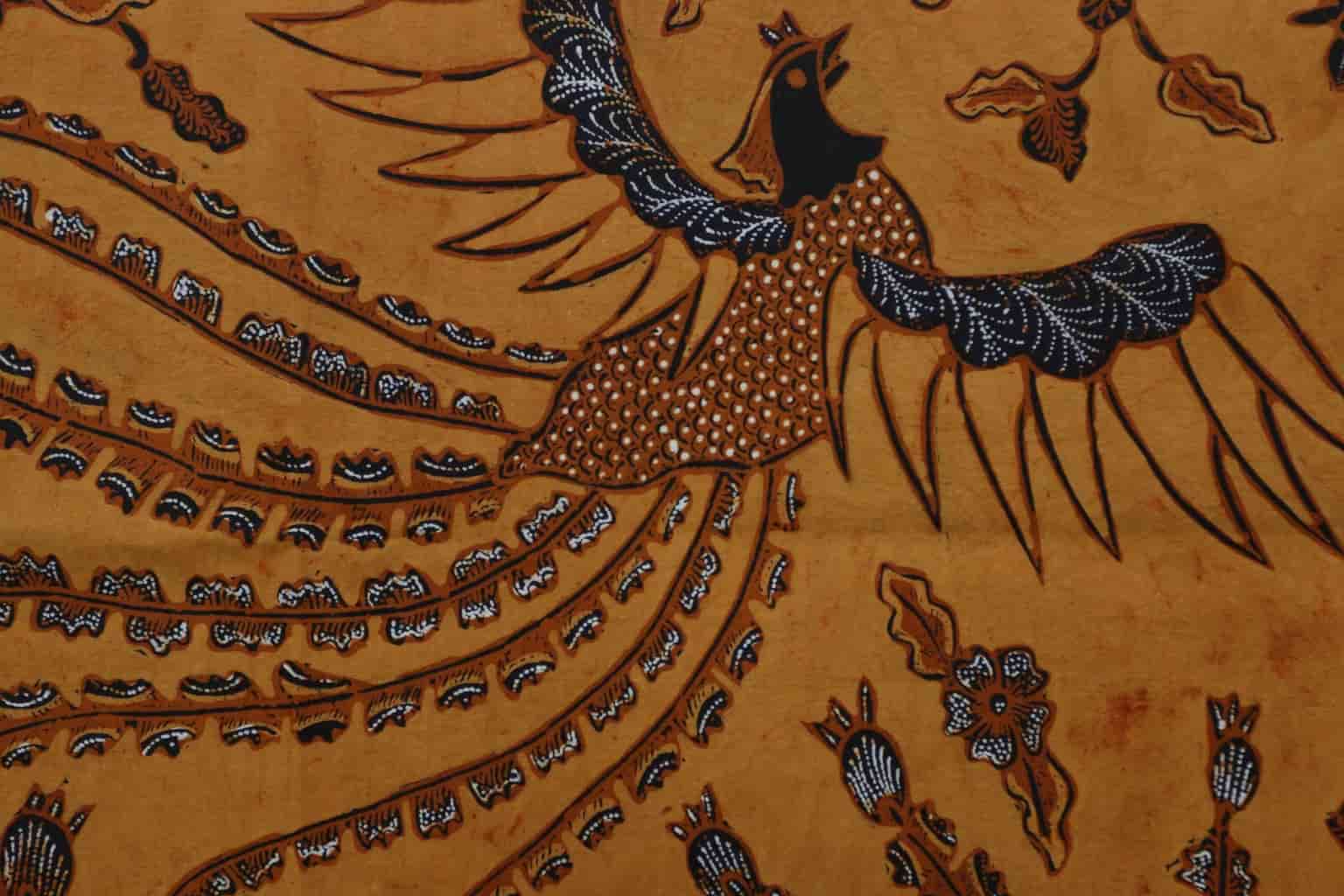
Indonesian Craftsmanship Excellence: The Mastery Behind Authentic Batik Tulis Production
Indonesian craftsmanship excellence in authentic batik tulis production reflects a quiet harmony between patience, precision, and cultural wisdom. Each piece is entirely hand-drawn through repeated canting and dyeing processes, allowing the fabric to carry depth beyond its visual beauty. Unlike printed textiles, batik tulis holds the subtle presence of the human hand in every line. This is where tradition breathes, softly yet enduringly.
When we encounter batik tulis, we are not simply observing fabric. We are meeting something that remembers time, shaped slowly through intention and care. It does not seek attention, yet it quietly holds it.
In that stillness, we begin to understand that true craftsmanship is not loud. It reveals itself gently, through detail, restraint, and balance.
The Quiet Discipline Behind Every Line
Authentic batik tulis begins with carefully selected materials such as primissima cotton, gamelan cotton, or kereta kencana cotton. These fabrics are chosen for their ability to receive wax and dye with clarity, allowing the motif to emerge with elegance.
The artisan then draws using a canting, guiding hot wax across the cloth with steady rhythm. Each movement requires control, yet also sensitivity, as the line must feel alive rather than rigid.
This process unfolds through three stages of wax application and three cycles of dyeing. With every repetition, the cloth deepens, as if it quietly gathers layers of meaning within its fibers.
Rather than mechanical repetition, this becomes a form of discipline that feels almost meditative. The artisan listens, adjusts, and responds to the cloth.
Where Motifs Become Living Narratives
Indonesian craftsmanship excellence also lives within the motifs themselves. Patterns such as Parang carry a sense of strength and continuity, while Kawung reflects balance and purity.
Sido Mukti, often associated with prosperity and harmony, appears in moments of significance. These motifs are not simply decorative—they are expressions of philosophy translated into pattern.
In authentic batik tulis, motifs seem to move quietly across the surface, like whispers carried by time. The fabric becomes more than visual—it becomes expressive.
This is why understanding batik requires presence. We do not just see it; we experience it.
The Human Touch That Defines Authenticity
Authenticity in batik tulis is revealed through subtle irregularities. Lines may shift slightly, dots may vary, and symmetry may feel organic rather than exact.
These qualities are not imperfections. They are traces of the artisan’s hand, quietly embedded within the cloth. Machine-made textiles often lack this softness of expression.
When observed closely, authentic batik tulis shows color that penetrates both sides of the fabric. This depth is a result of the layered dyeing process.
Through these details, the cloth reveals its origin without needing explanation.
Appropriateness in Wearing Batik
In Javanese understanding, wearing batik is closely tied to a sense of appropriateness. It is not only about appearance, but about harmony with occasion and meaning.
Certain motifs carry weight and are more suitable for formal or ceremonial settings. Others feel lighter and accompany daily life with quiet grace.
When we choose batik with awareness, the fabric feels aligned with the moment. It does not stand apart—it belongs.
This awareness transforms clothing into something more thoughtful, more intentional.
The Value Hidden in Time and Process
Authentic batik tulis is shaped through time. Each piece may take weeks or even months to complete, depending on complexity and detail.
Today, thousands of handmade batik fabrics are available, including those found at Batikdlidir, where each cloth reflects a careful process. The standard size of 240 x 110 cm allows the fabric to drape naturally when worn.
With a price range around IDR 1–2 million per piece, the value reflects not only the material, but also the time and attention behind it.
In this way, the cloth carries both visible and invisible worth.
Recognizing Craftsmanship with Sensitivity
To recognize Indonesian craftsmanship excellence, we only need attention. The texture feels soft yet grounded, the lines appear fluid yet intentional.
The longer we observe, the more the fabric reveals. It does not rush to be understood—it unfolds gradually.
This is often realized when exploring the art of Indonesian batik tulis craftsmanship, where deeper understanding emerges naturally.
And from that understanding, appreciation grows without effort.
A Living Tradition in a Modern World
In a fast-moving world, batik tulis remains steady. It does not follow urgency, but instead offers a slower rhythm—one that values patience.
Those who take time to understand authentic hand drawn batik tulis often feel a different connection. The fabric becomes familiar over time, almost personal.
Like something quietly alive, it adapts to the wearer while holding its original essence.
This is where tradition continues, not as something distant, but as something present.
When Appreciation Becomes a Personal Choice
At a certain point, appreciation gently shifts into consideration. Not out of need, but out of connection.
Available at Batikdlidir are thousands of authentic hand-drawn batik collections, each shaped through dedication and care. If curiosity deepens, a conversation through WhatsApp at 0822 6565 2222 with Pak Muzakir often feels like a natural continuation.
It is not a transaction, but a quiet extension of understanding.
A Gentle Reflection on Craft and Life
Indonesian craftsmanship excellence in batik tulis reminds us that meaningful things require time. The fabric moves slowly, and in doing so, it teaches us to slow down as well.
Within its patterns, we find patience. Within its colors, we sense calmness. And within its presence, we rediscover balance.
May we always be given health, peace, and blessed sustenance as we learn to appreciate what is made with sincerity.
Frequently Asked Questions
What makes Indonesian craftsmanship excellence unique in batik tulis?
It lies in the entirely hand-drawn process, repeated dyeing stages, and the integration of cultural philosophy into each motif.
How can I tell if batik tulis is authentic?
Authentic batik tulis shows subtle irregularities, deep color penetration on both sides, and fine hand-drawn lines.
Why does batik tulis take a long time to produce?
The process involves multiple stages of waxing and dyeing, all done manually, which requires patience and precision.
What fabrics are commonly used in high-quality batik tulis?
Primissima cotton, gamelan cotton, and kereta kencana cotton are commonly used for their softness and dye absorption.
Is batik tulis suitable for daily wear?
Yes, depending on the motif. Some designs are suitable for daily use, while others are more appropriate for formal occasions.
Where can I find authentic batik tulis collections?
You can find thousands of handmade batik fabrics, including authentic collections available at Batikdlidir.
🎨 Premium Handmade Batik Tulis
Discover exclusive collections only at Batikdlidir
💎 Price starts from IDR 1M – 2M+ per piece (240 x 110 cm)
✔ Authentic artwork, not just fabric
Crafted with premium cotton:
• Primissima
• Gamelan
• Kereta Kencana
Traditional batik process:
• Triple dyeing technique
• Handmade canting process (3x)
📞 +62 822 6565 2222
(Mr. Muzakir)
💬 Consult & Choose Your Batik Now
🔥 Limited stock • Exclusive patterns (not mass-produced)
 WhatsApp Mr Mudzakir