The Art of Indonesian Batik Tulis: A Complete Guide to Traditional Hand-Drawn Textile Heritage
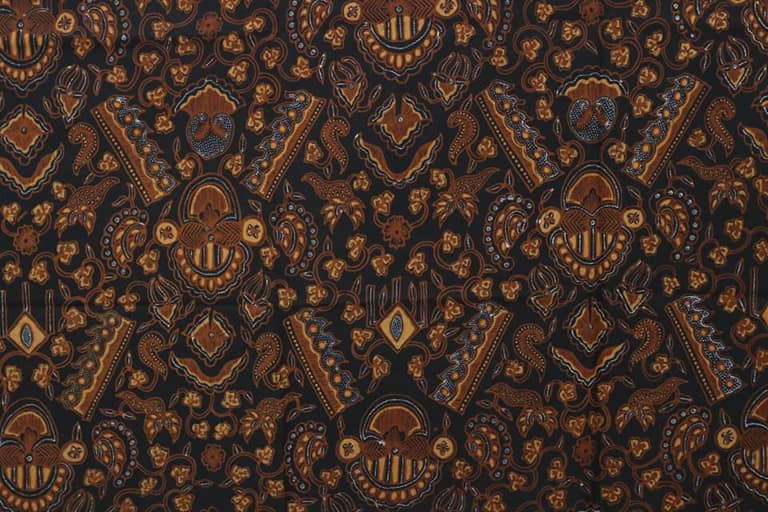
Indonesian batik tulis is a traditional hand-drawn textile art that embodies cultural identity, refined craftsmanship, and a philosophy of appropriateness in dressing. Created through a meticulous canting process and layered dyeing, it carries meaning beyond visual beauty. Each motif reflects values, while each line holds the patience of its maker. To understand batik tulis is to understand how culture quietly shapes appearance.
We often see batik worn in formal settings, offices, ceremonies, and gatherings. Yet, despite its presence, there is often a quiet distance between the fabric and the wearer. Batik is worn, but not always understood.
This is where the journey begins—not in ownership, but in awareness.
When Batik Becomes Routine Instead of Meaning
In many moments of daily life, batik appears as a requirement rather than a reflection. It is worn because it is expected, not because it is understood. Over time, the fabric becomes familiar, yet distant.
We choose patterns because they are common, colors because they are safe, and styles because they follow what others wear. Gradually, batik shifts from a cultural language into a quiet habit.
And within that habit, its deeper voice fades.
The Subtle Mistakes We Rarely Realize
There are no loud errors in wearing batik, only subtle misalignments. Motifs that are too dense for formal settings, colors that feel too expressive for solemn moments, and choices guided by trends rather than awareness.
Sometimes we pursue complexity when simplicity would carry more dignity. Other times, we follow what is popular without asking if it feels appropriate.
Batik has never asked to be loud. It has always asked to be balanced.
A Fabric That Remembers the Hands That Created It
True batik tulis is not produced in haste. It is formed through patience. Each line is drawn using a canting tool, each layer of wax applied with care, and each color developed through repeated dyeing.
The process often involves three cycles of canting and three stages of dyeing, allowing colors to grow gradually rather than appear instantly. The fabric becomes a quiet record of time.
It remembers the hands that guided it, the stillness of focus, and the rhythm of repetition. It carries a calm that machines cannot replicate.
This is why authentic hand drawn batik tulis feels different when worn. It does not merely cover the body—it settles into presence.
Materials such as primissima cotton, gamelan cotton, and kereta kencana cotton are carefully chosen. They receive the dye deeply, allowing the colors to mature and soften over time.
Batik as a Language of Character
Wearing batik is not simply about appearance. It reflects awareness, respect, and understanding of context. A well-chosen piece does not seek attention—it carries quiet confidence.
It speaks through restraint rather than display, through harmony rather than excess. In this way, batik becomes a language—one that expresses character without needing explanation.
When we begin to listen to that language, our choices become more thoughtful.
The Meaning Within Motifs
Each batik motif carries a story shaped across generations. Parang reflects strength and continuity, Kawung represents balance and clarity, while Sido Mukti carries hopes of prosperity and harmony.
These motifs are not decorative patterns. They are visual philosophies, guiding both the wearer and the observer.
Understanding these meanings allows us to move beyond surface beauty and into deeper cultural awareness.
To explore how these values are preserved through skill and dedication, you may continue through Indonesian craftsmanship excellence, where the mastery behind each piece is revealed more clearly.
Between Hand, Stamp, and Machine
Not all batik is created through the same process. Batik tulis is drawn entirely by hand, requiring time and patience. Batik cap uses stamped patterns, allowing for faster repetition. Printed batik, meanwhile, is produced by machines.
The difference is not only visible, but also felt. Batik tulis carries slight irregularities that feel alive, while printed fabrics appear uniform but distant.
Understanding this distinction allows us to appreciate why certain fabrics feel more present and meaningful.
Choosing Batik with Awareness
Selecting batik is not about choosing the most intricate design, but about finding what feels appropriate. The occasion, the setting, and the atmosphere gently guide the decision.
Formal environments often call for calm motifs and balanced tones, while more expressive settings allow for richer patterns. In every case, harmony remains essential.
Authentic batik tulis can be recognized through its organic lines, deep color penetration on both sides, and a presence that feels warm rather than flat.
For a deeper understanding of how these techniques shape the final fabric, you may explore hand-drawn textile art, where the process reveals its quiet complexity.
Ownership as a Form of Cultural Respect
Owning batik tulis is not about possession. It is about recognition—recognizing the time, patience, and care embedded in each piece.
Thousands of handmade batik fabrics exist, each one carrying a unique character shaped by its maker. Within collections available at Batikdlidir, we find a wide range of authentic hand-drawn batik pieces created with dedication.
With dimensions around 240 x 110 cm and a price range of IDR 1–2 million, these fabrics reflect not luxury, but the depth of their process.
Each piece, shaped through three cycles of canting and three stages of dyeing, becomes more than cloth. It becomes a quiet companion.
A Gentle Movement Toward Appreciation
As understanding grows, appreciation follows naturally. We begin to choose not based on impulse, but on alignment. The fabric feels less like an object and more like a presence.
This appreciation gradually becomes a quiet desire—not driven by trend, but by connection. And from that connection, ownership becomes a natural continuation.
If you feel drawn to explore further, a conversation may be the simplest step. You may reach out through WhatsApp at 0822 6565 2222 with Pak Muzakir, as part of a thoughtful journey rather than a transaction.
Closing Reflection
Batik tulis teaches us patience. It reminds us that beauty does not need to be loud, and that meaning often lives in quiet details.
May we wear it not only on our bodies, but also in our awareness. May it guide us toward balance, respect, and calm presence.
And may every step we take be accompanied by health, peace, and blessed sustenance.
Frequently Asked Questions
What is authentic batik tulis?
Authentic batik tulis is a hand-drawn textile created using a canting tool and multiple dyeing processes, reflecting craftsmanship, patience, and cultural meaning.
How can I distinguish batik tulis from stamped or printed batik?
Batik tulis has organic, irregular lines and color that penetrates both sides of the fabric, unlike stamped or printed batik which appears more uniform.
How long does the batik tulis process take?
The process can take weeks or even months, depending on the complexity of the motif and the number of dyeing stages involved.
What materials are used in premium batik tulis?
Premium batik tulis commonly uses primissima cotton, gamelan cotton, and kereta kencana cotton due to their comfort and ability to absorb dye deeply.
Why is batik tulis valuable?
Its value lies in the time, craftsmanship, and cultural meaning embedded in each piece, rather than mass production.
When should batik tulis be worn?
Batik tulis can be worn in formal and cultural settings, with motif and color chosen based on appropriateness and context.
Is batik tulis suitable for everyday wear?
Yes, when chosen thoughtfully, batik tulis can be worn daily while maintaining elegance and cultural respect.
🎨 Premium Handmade Batik Tulis
Discover exclusive collections only at Batikdlidir
💎 Price starts from IDR 1M – 2M+ per piece (240 x 110 cm)
✔ Authentic artwork, not just fabric
Crafted with premium cotton:
• Primissima
• Gamelan
• Kereta Kencana
Traditional batik process:
• Triple dyeing technique
• Handmade canting process (3x)
📞 +62 822 6565 2222
(Mr. Muzakir)
💬 Consult & Choose Your Batik Now
🔥 Limited stock • Exclusive patterns (not mass-produced)