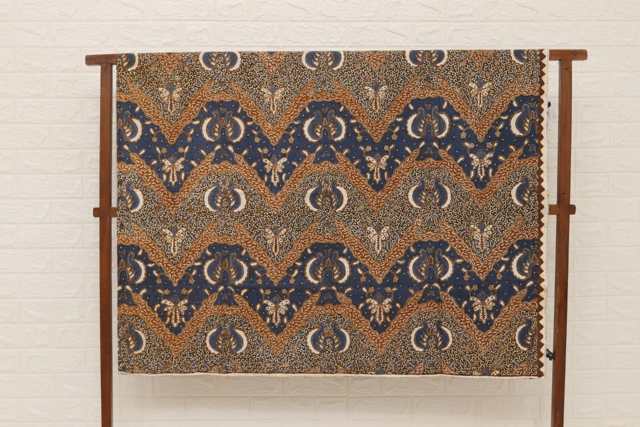
Exotic Hand-Painted Fabric: Discover the Beauty of Batik Tulis, Natural Dye Patterns, and Unique Artistic Expression
Exotic hand-painted fabric, especially batik tulis, represents one of the most refined textile traditions in the world. These textiles are created through meticulous manual techniques such as hand canting, layered dyeing, and natural pigment application, resulting in deeply artistic and unique expressions. They often feature botanical, animal, or tropical motifs, reflecting both cultural heritage and evolving artistic interpretation. Unlike printed fabrics, batik tulis carries subtle irregularities that signify authenticity and human presence.
Across the world, similar traditions exist, including Kalamkari—an ancient natural dye painting technique from India and Iran that has lived for over 3,000 years. Yet in Java, batik tulis follows a quieter path, where wax replaces the brush and patience becomes the language of creation.
When we observe batik tulis, we are not merely seeing cloth. We are witnessing a gentle dialogue between artisan and fabric, where lines emerge like memories and colors settle like quiet emotions. Each motif carries intention, and each surface holds time within it.
The Living Language of Hand-Painted Batik
Batik tulis belongs to a broader world of exotic hand-painted fabrics, including silk painting traditions from China and Thailand, as well as contemporary artistic textiles that explore more expressive and whimsical styles. Yet batik remains distinct in its discipline, where wax-resist technique shapes the narrative with restraint and precision.
The canting tool moves slowly, tracing motifs that seem to breathe across the fabric. These patterns do not demand attention. Instead, they invite it—softly, patiently.
Motifs such as Parang, Kawung, and Sido Mukti are not decorative choices alone. They are reflections of values—strength, balance, harmony, and prosperity—woven into visual form. To wear them is to carry meaning, not just design.
Natural Dye Patterns and Their Quiet Depth
The essence of batik tulis lies in its layered process. Often involving three cycles of dyeing and three stages of hand canting, the fabric gradually develops depth, like a story unfolding over time.
Natural dyes contribute to this depth with tones that feel grounded and calm. Browns, indigos, and earthy hues do not overwhelm the eye. Instead, they create a quiet presence that lingers.
In other traditions such as ikat, patterns emerge through dyed threads before weaving. But batik chooses a slower revelation, where wax holds space for color, and time shapes the final expression.
From Fabric to Expression: A Shared Artistic World
Exotic hand-painted fabrics extend beyond tradition into modern interpretation. Today, we find textiles adorned with jungle scenes, tropical birds, botanical patterns, and even whimsical artistic expressions. These motifs reflect both nature and imagination.
Such fabrics move effortlessly across different spaces. They become garments, scarves, and flowing silhouettes in fashion. They also appear in interiors—curtains, cushions, upholstery—bringing warmth and narrative into everyday environments.
Yet batik tulis remains grounded in stillness. Even within a changing world, it continues to carry a sense of calm that feels timeless.
Understanding Authentic Hand-Drawn Batik
To understand exotic hand-painted fabric is to recognize authenticity beyond perfection. True batik tulis reveals itself through subtle irregularities—lines that gently shift, colors that softly blend, and patterns that feel alive rather than replicated.
You may begin to sense this more clearly through this authentic hand drawn batik tulis, where the journey of patience and craftsmanship unfolds quietly.
From there, your understanding naturally expands toward the broader perspective found in the traditional dyeing masterclass, where batik is explored as a cultural heritage shaped by time, discipline, and meaning.
Fabric, Material, and the Feel of Refinement
The experience of batik tulis is shaped by its material. Primissima cotton offers a smooth and refined surface, allowing motifs to flow clearly. Gamelan cotton carries a grounded texture, while kereta kencana cotton balances strength and elegance.
These materials are chosen with care, ensuring harmony between fabric, wax, and dye. The result is not only visual beauty, but also a tactile sense of balance.
Within collections such as those available at Batikdlidir, thousands of handmade batik fabrics reflect this careful process. Each piece, typically sized around 240 x 110 cm, carries its own character and is often valued within the range of IDR 1–2 million depending on its refinement.
When Fabric Meets Life
Hand-painted fabrics around the world are used in fashion and interior design, yet batik carries an additional layer of meaning—kepantasan, or appropriateness. It guides how and when a fabric should be worn.
Some motifs feel aligned with formal gatherings, while others accompany quiet daily moments. This sense of harmony is not imposed, but gently understood.
When we wear batik with awareness, the fabric seems to settle naturally, as if it recognizes its place.
The Process That Teaches Patience
Batik tulis is created through repetition and care. Three stages of dyeing and three cycles of hand canting allow the fabric to develop depth slowly and deliberately.
This process reflects a universal truth found in many hand-painted textile traditions: that beauty requires time, and meaning cannot be rushed.
The wax lines act like quiet boundaries, guiding color with intention. When they are finally removed, the fabric reveals something that could only emerge through patience.
Ownership as a Form of Connection
There comes a moment when appreciation becomes personal. Not as possession, but as connection—to the process, the artisan, and the meaning within the fabric.
At Batikdlidir, thousands of authentic hand-drawn batik collections are available. Each piece carries its own narrative, waiting to resonate with the right person.
A simple conversation, perhaps through WhatsApp at 0822 6565 2222 with Pak Muzakir, can become the beginning of that understanding—quiet, unhurried, and meaningful.
A Fabric That Remembers
Exotic hand-painted fabric is, ultimately, a form of memory. It carries stories across cultures—Kalamkari, silk painting, ikat—but in batik tulis, that memory feels especially intimate.
The fabric remembers the hands that shaped it, the patience that guided it, and the meaning that continues to live within it.
May every fabric you encounter bring calmness to your days, clarity to your thoughts, and quiet beauty to your presence. May you be granted health, peace, and sustenance that flows with blessing and grace.
Frequently Asked Questions
What defines exotic hand-painted fabric?
It refers to textiles created manually using techniques such as brush painting, natural dyeing, or wax-resist processes, resulting in unique artistic expressions.
How is batik tulis different from other hand-painted fabrics?
Batik tulis uses wax-resist techniques rather than direct painting, creating layered patterns with deeper symbolic meaning.
What is Kalamkari?
Kalamkari is an ancient textile art that uses natural dyes to paint directly onto fabric, similar in spirit to batik as a handcrafted storytelling tradition.
Where are hand-painted fabrics commonly used?
They are widely used in fashion such as garments and scarves, as well as in home décor like curtains, cushions, and upholstery.
Why are handmade batik fabrics valuable?
Because they require time, precision, and artistic intention, making each piece unique and rich in cultural significance.
How can I start appreciating batik tulis?
By understanding its process, motifs, and meaning. Appreciation grows naturally when the fabric is seen as a cultural expression rather than mere decoration.
🎨 Premium Handmade Batik Tulis
Discover exclusive collections only at Batikdlidir
💎 Price starts from IDR 1M – 2M+ per piece (240 x 110 cm)
✔ Authentic artwork, not just fabric
Crafted with premium cotton:
• Primissima
• Gamelan
• Kereta Kencana
Traditional batik process:
• Triple dyeing technique
• Handmade canting process (3x)
📞 +62 822 6565 2222
(Mr. Muzakir)
💬 Consult & Choose Your Batik Now
🔥 Limited stock • Exclusive patterns (not mass-produced)