Traditional Indonesian Batik Fabric Wholesale: Authentic Quality Tailored Special to You
Traditional Indonesian batik fabric wholesale is no longer only about buying cloth in large quantities. Today, many boutique owners, fashion designers, collectors, and uniform makers are searching for something deeper: authentic handmade batik that still carries the soul of Indonesian craftsmanship.
The best traditional Indonesian batik fabric wholesale suppliers usually offer genuine wax-resist techniques, premium cotton bases like Primissima, flexible custom orders, and direct collaboration with local artisans from Solo, Yogyakarta, and Pekalongan. This combination creates not only quality fabric, but also trust, cultural value, and long-term elegance.
Quick Answer: Authentic Indonesian batik wholesale should use genuine hand-drawn or hand-stamped wax techniques, breathable premium fabrics, stable color fixation, and transparent artisan production processes. Reliable suppliers also provide custom motif consultation, flexible MOQ, and quality control before shipment.
There is a particular atmosphere inside a traditional batik workshop that rarely appears in modern textile factories. The air carries the warm aroma of malam wax slowly melting over small stoves. Soft conversations move quietly between artisans while canting tools glide carefully across white fabric like handwriting preserving memory.
When we stand close to that process, batik no longer feels like ordinary fabric. The cloth begins to feel alive. Every motif seems to remember the patience of the hands that created it.
Why Many Buyers Feel Anxious When Choosing Premium Batik
Many people today hesitate before buying batik online, especially for wholesale needs. The concern feels reasonable because the market is flooded with printing textiles disguised as authentic batik tulis.
Some fabrics look convincing in photos, yet once touched directly, the material feels stiff, hot, and lifeless. The colors may appear sharp initially, but after several washes, they fade unevenly and lose depth.
We often meet buyers who quietly tell the same story. Their first bulk order looked promising, but the second shipment arrived with thinner fabric, unstable colors, and inconsistent patterns.
This is why experienced batik buyers now pay closer attention to production transparency. They ask about the wax-resist process, the type of cotton used, whether the fabric is preshrunk, and how the colors are fixed before shipping.
Interestingly, this growing caution has changed how premium batik is appreciated globally. Buyers are no longer searching only for low prices. They want authenticity, consistency, and emotional value.
The Quiet Beauty of Authentic Handmade Batik
Authentic batik tulis cannot be rushed. One piece may require weeks or even months depending on motif complexity and coloring layers.
In Solo and parts of Yogyakarta, many senior artisans still wake before sunrise to begin tracing motifs while the morning air remains calm. The rhythm feels almost meditative. Wax flows slowly from canting tools, forming lines that machines struggle to imitate naturally.
The beauty of handmade batik often lives inside its tiny imperfections. Slight variations in lines or color absorption become proof of human touch rather than manufacturing defects.
Meanwhile, premium wholesale batik production usually combines several traditional and modern quality-control methods. For larger orders, hand-stamped batik using copper cap tools helps maintain production capacity while preserving authentic wax-resist characteristics.
Traditional Indonesian batik fabric wholesale often involves three coloring immersions and three separate waxing stages. This layered process allows colors to mature gradually instead of sitting flat on the fabric surface.
That is also why authentic batik carries richer visual depth. The colors feel calmer, warmer, and more elegant when seen directly under natural light.
The Difference Between Genuine Batik and Printing Textile
One of the most important conversations in modern batik appreciation involves understanding the difference between genuine wax-resist batik and printed imitation fabric.
| Aspect | Authentic Batik Tulis/Cap | Printing Textile |
|---|---|---|
| Production Method | Wax-resist handmade process | Machine printing |
| Texture | Absorbs color naturally | Surface print only |
| Back Side Pattern | Visible on both sides | Usually faded on backside |
| Color Character | Deep and layered | Flat and uniform |
| Emotional Value | Craftsmanship & cultural meaning | Mass production |
For experienced collectors, the difference becomes obvious after touching the fabric directly. Authentic batik breathes differently. The cloth feels softer yet structured, especially when using premium cotton Primissima or Kereta Kencana.
The motifs also feel calmer visually because genuine wax creates natural flow instead of overly perfect mechanical repetition.
Premium Fabric Bases for Luxury Batik Collections
Fabric quality matters deeply in premium batik production. Even the most beautiful motif can lose elegance when placed on low-grade textile bases.
Many luxury batik collections today use materials such as katun Primissima, katun Gamelan, katun Kereta Kencana, and silk ATBM because these fabrics maintain breathability while allowing color absorption beautifully.
Primissima cotton remains highly appreciated because it feels smooth, cool, and comfortable even for long formal events. This matters greatly for tropical climates and international buyers seeking breathable luxury fabrics.
Some wholesale buyers specifically request premium bases for executive uniforms, luxury resort wear, or limited fashion collections because the fabric drapes more elegantly and photographs beautifully under lighting.
We also notice how modern buyers increasingly prioritize comfort. They no longer want heavy fabrics that feel hot during meetings or ceremonial gatherings.
This behavioral shift quietly pushes authentic Indonesian batik into the luxury comfort category rather than merely traditional attire.
The Emotional Experience of Choosing Batik Motifs
There is a deeply personal moment when someone selects batik for an important occasion. Sometimes it happens before a wedding, an official ceremony, a family gathering, or the opening of a new business chapter.
The motifs then become more than decoration. Parang patterns may symbolize determination. Kawung reflects balance and self-control. Sogan tones from Solo often carry calm maturity and quiet dignity.
Inside many workshops, we often see buyers unfolding fabrics slowly under warm lighting while discussing colors softly with artisans. The atmosphere feels intimate and reflective, almost like choosing memory instead of clothing.
Some clients bring old family batik as inspiration because they want modern custom motifs that still preserve emotional connection with heritage.
This is where the phrase “spesial to you” becomes meaningful. Personalized batik is not only about custom logos or colors. It is about creating fabric that feels emotionally connected to the person wearing it.
Direct Partnership with Local Artisans
One important trust factor in traditional Indonesian batik fabric wholesale is direct artisan collaboration. Buyers today increasingly prefer working closer to first-hand producers rather than anonymous trading chains.
In several batik centers around Solo, Yogyakarta, and Pekalongan, families still maintain multi-generational workshops where skills pass quietly from parents to children.
The sound of copper stamps touching fabric, the smell of hot wax, and rows of cloth drying under sunlight remain part of daily life there. These details matter because they create production authenticity impossible to manufacture artificially.
Fair collaboration with local artisans also helps preserve traditional techniques that risk disappearing under mass-market textile pressure.
For buyers who feel uncertain before placing large wholesale orders, sample fabric packs are often available to help verify texture, weight, color stability, and motif quality directly before mass production begins.
How Premium Batik Maintains Color Quality
Color durability remains one of the biggest concerns among batik buyers, especially for export and wholesale orders.
Authentic premium batik generally uses layered fixation techniques to help colors bind properly into fabric fibers. Several workshops still combine traditional methods with controlled modern finishing systems for better consistency.
Natural washing agents like lerak are sometimes used during final rinsing because they help preserve fiber softness without damaging color depth.
Meanwhile, preshrunk treatment becomes important for premium orders because it minimizes unexpected shrinkage after tailoring.
| Quality Check | Purpose |
|---|---|
| Color Fixation Test | Prevent fading and bleeding |
| Preshrunk Treatment | Maintain size stability |
| Fabric Weight Inspection | Ensure export-grade consistency |
| Motif Alignment Review | Maintain premium visual appearance |
These operational details may sound technical, yet they strongly influence buyer trust and long-term satisfaction.
Why Handmade Batik Feels More Meaningful Today
Modern fashion moves quickly. Trends rise and disappear within months. Yet handmade batik continues surviving because it offers emotional permanence.
Many professionals today choose premium batik not to appear flashy, but because the fabric feels grounded, cultured, and quietly elegant.
We often hear buyers describe a certain pride when wearing authentic batik at important meetings or international events. The feeling is different because the cloth carries story, craftsmanship, and identity.
Instead of looking mass-produced, the appearance feels more personal and refined.
Thousands of handmade batik fabrics remain available today with price ranges commonly starting from around Rp 180.000 up to Rp 2 million per sheet depending on motif complexity, material quality, coloring layers, and artisan detail.
For premium batik uniforms, production commonly begins from Rp 185.000 per piece with minimum orders around 20 pieces. Many buyers appreciate this flexibility because it allows smaller brands and communities to access authentic craftsmanship without unrealistic MOQ pressure.
Further consultation regarding motif selection, premium fabrics, or wholesale production planning can usually be discussed calmly through WhatsApp 0822 6565 2222 Pak Muzakir.
A Softer Way to See Luxury Batik
True luxury in batik does not shout loudly. It appears quietly through balance, comfort, craftsmanship, and emotional depth.
Sometimes the most elegant fabric inside a room is not the brightest one. Instead, it is the batik that carries calm colors, mature motifs, breathable fabric, and authentic handmade character.
That quiet confidence is difficult to imitate artificially.
As more people rediscover the value of handmade work, authentic Indonesian batik continues finding new relevance across modern fashion, hospitality, executive uniforms, and international textile appreciation.
And perhaps that is the enduring beauty of batik itself. The cloth does not merely cover the body. It quietly carries memory, patience, culture, and human warmth across generations.
May every fabric you choose bring comfort to your life, dignity to your appearance, and meaningful connection to the beauty of Indonesian heritage. Semoga Anda selalu diberi kesehatan, hati yang tenang, dan rezeki yang penuh keberkahan dan barokah.
Frequently Asked Questions About Traditional Indonesian Batik Wholesale
What defines authentic traditional Indonesian batik fabric?
Authentic batik uses genuine wax-resist techniques through hand-drawn canting or copper stamping processes. The motifs penetrate both sides of the fabric and carry natural handcrafted variations.
Can wholesale batik orders be customized?
Yes. Many premium batik workshops provide custom motif development, logo integration, personalized color palettes, and tailored fabric selection for uniforms or exclusive collections.
What is the ideal fabric for premium batik?
Premium cotton Primissima, Katun Gamelan, Kereta Kencana, and silk ATBM are highly preferred because they provide comfort, breathability, and elegant color absorption.
How do buyers avoid fake batik printing products?
Buyers should examine backside motif visibility, wax-resist texture, color depth, and production transparency. Requesting sample fabric before large orders is also highly recommended.
Does authentic batik color fade easily?
High-quality batik with proper fixation and finishing generally maintains color stability well. Premium workshops also perform washing and color-testing procedures before shipment.
Can small businesses order wholesale batik with flexible MOQ?
Many modern batik suppliers now offer more flexible minimum order quantities to support emerging fashion brands and boutique businesses.
Why do collectors prefer handmade batik?
Collectors value handmade batik because every piece contains artisan character, cultural meaning, emotional craftsmanship, and uniqueness impossible to replicate perfectly by machines.
Which Indonesian regions are famous for premium batik production?
Solo, Yogyakarta, and Pekalongan remain among the most respected batik production centers due to their strong heritage, artisan expertise, and distinctive motif traditions.
Traditional Indonesian Batik Fabric wholesale special offer to you. To introduce batik all around the the world, Batik Dlidir ease free shipping throughout the world. We are batik dlidir, a company engaged in quality control. In addition to maintaining cotton, fitting motif for a work of art is always we are prioritizing.
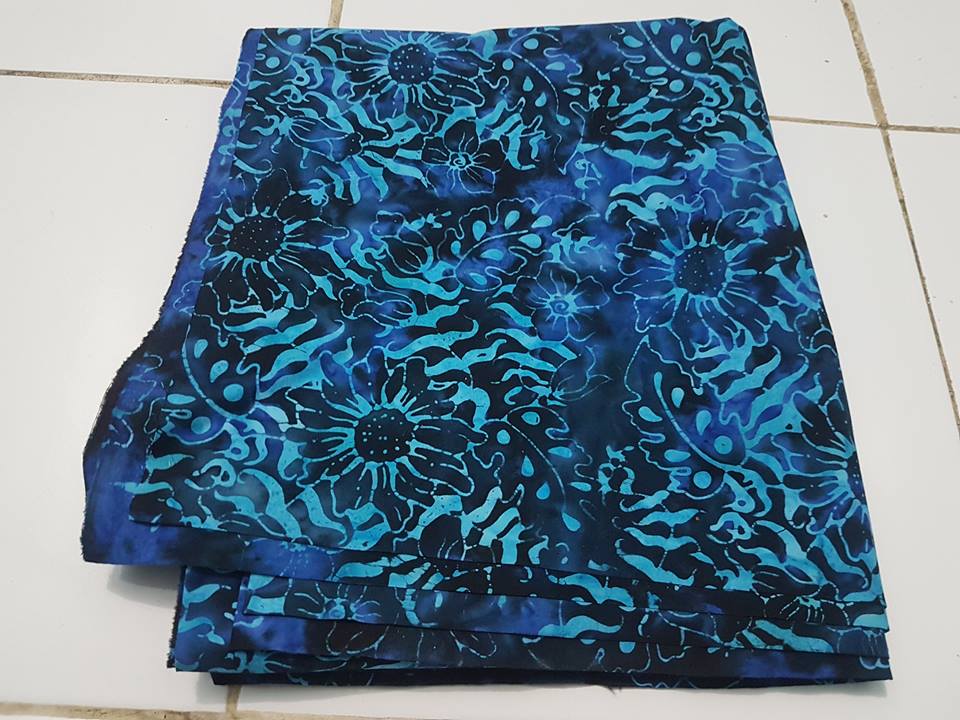
This is the real batik, a long cultural achievement wong solo and Jogja. Not just fabric, but a long history of high-level witnesses artwork that is recognized worldwide. If some countries have an amazing heritage, then solo and jogja (Indonesia) has BATIK. An intellectual property portrayed or expressed in a cloth.
For reservations or information can whatsapp to:
+62 822 6565 2222 Pak Mudzakir.
Just as a reminder, that the quality of batik price of our company. So with a vengeance batik dlidir provide the best for you. Because we believe, a good cooperation established with the ‘seriousness’ between the two sides.
Batik jelly rolls
Traditional Indonesian Batik Fabric by the yard
Traditional Indonesian Batik Fabric by the yard. With a starting price of US $ 2.50 / meter or US $ 2.20 / yard. You can get quality and handmade batik fabric. Indonesian batik fabric at a cheap price with quality ” wong solo “.
Batik dlidir offer low prices because through the process of ” cap ” ( stamp ). When the cloth batik printing products flooding the town solo, we always survive. This is a form of our dedication in the field of Indonesian batik. A tradition that has been very strong with solo civic life and surroundings.
For us, batik is a work of art that manifests culture. Not stopping there, but also can provide benefits to the public. Batik art could mean a high level of civilization solo and surrounding residents.
Batikdlidir give meaning not only draw on the fabric, giving the motive and sell their produce. But a series of komperehensif every mind, the power and the long history of synergy in producing batik solo.
thanks.
🎨 Premium Handmade Batik Tulis
Discover exclusive collections only at Batikdlidir
💎 Price starts from IDR 1M – 2M+ per piece (240 x 110 cm)
✔ Authentic artwork, not just fabric
Crafted with premium cotton:
• Primissima
• Gamelan
• Kereta Kencana
Traditional batik process:
• Triple dyeing technique
• Handmade canting process (3x)
📞 +62 822 6565 2222
(Mr. Muzakir)
💬 Consult & Choose Your Batik Now |
🔥 Limited stock • Exclusive patterns (not mass-produced)
Traditional Indonesian Batik Fabric wholesale spesial to you
Authentic hand-drawn batik tulis is more than traditional Indonesian fabric. It is a cultural language written slowly through wax, patience, and human touch. Across generations, batik tulis has remained one of the strongest symbols of refinement, appropriateness, and respect in Javanese life. Today, as more people search for authentic hand-drawn batik fabric, they are not only looking for cloth, but also for meaning, dignity, and a deeper connection with heritage.
There is a reason why certain batik fabrics feel calm the moment they are unfolded. The motifs seem to breathe quietly. The colors do not shout for attention. Instead, they sit with composure, as though carrying stories that have crossed many hands and many seasons.
In Java, batik was never merely worn to cover the body. It accompanied weddings, family gatherings, prayers, formal meetings, and moments of reflection. Even today, when modern fashion changes rapidly, authentic batik tulis continues to stand with quiet confidence, reminding us that elegance often grows from patience rather than excess.
When Batik Becomes Formality Without Understanding
Many people now wear batik because the occasion demands it. Offices require it on certain days. Formal events suggest it as polite attire. Ceremonies feel incomplete without it. Yet somewhere along the way, the meaning behind batik is often left behind.
It is common to see people choosing motifs only because they are trending or visually crowded. Some believe that brighter colors automatically appear more luxurious. Others buy printed patterns that imitate traditional motifs without understanding the difference between decoration and craftsmanship.
This is not entirely surprising. Modern life moves quickly. Meanwhile, authentic batik tulis asks people to slow down. It invites observation. It asks the wearer to notice details that cannot be rushed.
Because of this, wearing batik properly is not about appearing traditional. It is about understanding appropriateness. Certain motifs were created for solemn moments, while others were designed to celebrate hope, harmony, or dignity within family life.
That is why many people eventually begin exploring deeper references such as authentic hand drawn batik tulis, not merely to purchase fabric, but to understand why handmade batik still carries emotional weight in modern society.
The Quiet Mistakes People Often Make When Choosing Batik
One of the most common mistakes is treating batik as visual noise. Some fabrics are filled with aggressive colors and overcrowded motifs that leave no room for breath. They may attract attention for a moment, yet they rarely leave lasting elegance.
Another mistake is ignoring occasion and atmosphere. In Javanese culture, harmony matters deeply. Clothing should support the situation, not dominate it. A respectful gathering calls for calm patterns. A family celebration welcomes warmth and optimism. Batik has always understood this balance.
There is also the tendency to follow trends without understanding the process behind the cloth itself. Printed fabrics are often mistaken for batik tulis simply because the patterns appear similar from a distance. Yet true hand-drawn batik carries irregularities that reveal human presence.
The lines are never mechanically perfect. The wax flow changes slightly with hand pressure. Colors mature gradually through repeated dyeing. Authentic batik tulis contains small imperfections that quietly prove authenticity.
Ironically, those imperfections are often what make the fabric feel alive.
The Long Journey Behind Authentic Hand-Drawn Batik Tulis
Authentic batik tulis is created slowly, and perhaps that is why it continues to feel meaningful in an age obsessed with speed. The process does not begin with machinery. It begins with silence, concentration, and hands trained through years of repetition.
Hot wax moves carefully through the canting tool, tracing motifs line by line across the fabric. Each movement demands steadiness. One mistake may alter the entire composition. Because of this, batik tulis is never merely manufactured. It is cultivated.
The fabric remembers hands.
Motifs whisper tradition through curves and repetition. Colors grow patiently through time, layer after layer, until they reach maturity. In many authentic workshops, including traditional Javanese batik houses, the process still involves 3x dyeing and 3x hand canting to achieve depth and permanence.
This lengthy process explains why authentic hand-drawn batik cannot truly be rushed or mass-produced carelessly. The artisans are not simply decorating cloth. They are preserving rhythm, memory, and inherited sensitivity.
Materials also influence the final character of the fabric. Many refined batik makers continue using primissima cotton because of its smooth texture and ability to absorb color gracefully. Others prefer gamelan cotton for its balanced structure or kereta kencana cotton for its elegant drape and refined surface.
When these materials meet patient craftsmanship, the result feels different against the skin. The fabric does not merely sit on the body. It settles naturally, almost like calm conversation.
Batik as a Language of Attitude
In Javanese philosophy, clothing reflects attitude before it reflects status. Batik teaches restraint. It teaches balance. It reminds the wearer that elegance does not need to announce itself loudly.
A person wearing proper batik often appears calmer, not because of the fabric alone, but because the cloth encourages a different presence. The motifs guide posture subtly. The colors soften movement. The wearer becomes more aware of the atmosphere around them.
This is why batik continues to hold significance during important moments. Weddings, family gatherings, cultural ceremonies, and formal meetings all involve emotional nuance. Batik helps carry that nuance with grace.
Some motifs were historically associated with leadership and discipline. Others represented prosperity, continuity, or harmonious relationships within family life. Wearing them thoughtfully reflects cultural awareness rather than simple fashion preference.
Over time, many people begin realizing that authentic batik tulis is not about appearing wealthy. It is about appearing appropriate.
The Meaning Hidden Inside Traditional Motifs
Among the most recognized motifs is Parang, known for its diagonal flowing structure that symbolizes resilience and continuity. The rhythm within Parang resembles waves that never stop moving, reminding the wearer to remain steady through life’s changes.
Kawung carries a quieter energy. Its circular arrangement reflects balance, self-control, and inner clarity. The simplicity of Kawung often creates an understated elegance that feels timeless in formal settings.
Sido Mukti has long been associated with hope for prosperity and harmonious life. It frequently appears during weddings because the motif carries prayers for lasting well-being and dignity within family relationships.
Meanwhile, Truntum reflects guidance and enduring affection. Traditionally connected to parental love, it symbolizes direction offered with patience rather than force.
These motifs are not random ornaments. They are visual philosophies passed through generations. Even today, many people searching for deeper understanding continue reading references related to traditional motif symbolism and proper batik etiquette before choosing fabrics for important occasions.
Understanding the Difference Between Batik Tulis, Batik Cap, and Printed Fabric
Modern buyers often face confusion because many fabrics visually imitate traditional batik. However, the difference becomes clearer when observed patiently.
Batik tulis is entirely hand-drawn. Every motif line is created individually using canting and hot wax. Because of this, no two fabrics are truly identical. There is always slight variation, and that variation becomes part of the fabric’s personality.
Batik cap uses copper stamps to speed up production. Although still involving wax and dyeing, the patterns appear more repetitive and mechanically consistent. Batik cap can still carry beauty, especially for daily wear, yet it does not contain the same intimate hand presence as batik tulis.
Printed fabric, meanwhile, only reproduces motif appearance through industrial printing. The pattern sits on the surface rather than becoming part of the dyeing structure itself. From a distance, it may resemble batik. Up close, the emotional depth feels different.
This distinction matters because appreciation begins with understanding process. Once people experience authentic hand-drawn batik closely, they often notice how the fabric carries warmth that printing cannot replicate.
How People Quietly Learn to Choose Proper Batik
Most people do not suddenly understand batik deeply. Appreciation usually grows slowly through observation. Someone may begin by noticing how calmer motifs feel more dignified during formal gatherings. Another person may realize that softer natural tones create longer-lasting elegance than trend-driven color combinations.
Eventually, attention shifts toward craftsmanship itself.
The fabric texture begins to matter. The balance between motif density and empty space becomes noticeable. Even the reverse side of authentic batik tulis starts revealing clues about quality because genuine dye penetration reaches both surfaces naturally.
Many experienced collectors also prefer fabrics that feel breathable and composed rather than excessively glossy. This explains why materials like primissima cotton continue to be respected among traditional batik enthusiasts.
Interestingly, people who once purchased batik impulsively often become more selective over time. They no longer seek loud patterns. Instead, they seek harmony between occasion, personality, and atmosphere.
That transformation is part of cultural maturity.
The Emotional Weight of Wearing Authentic Batik
There are moments when clothing becomes memory.
A father wearing calm batik during his child’s wedding. A mother folding inherited fabric carefully before a family gathering. A young professional discovering that proper batik changes how others perceive quiet confidence.
Authentic hand-drawn batik tulis often accompanies these moments because the fabric itself carries emotional gravity. It does not feel disposable. It feels present.
Perhaps this is why many families preserve old batik fabrics for decades. The cloth becomes tied to stories, blessings, and family continuity. Colors fade softly through time, yet the emotional imprint remains.
In many ways, batik teaches patience not only to the artisan, but also to the wearer.
Thousands of Handmade Batik Fabrics That Continue Living Through Tradition
Today, traditional workshops and curated batik houses continue preserving authentic hand-drawn batik through careful production rather than mass imitation. At Batikdlidir, thousands of authentic hand-drawn batik collections remain available for people who wish to explore batik more thoughtfully.
The collections are not positioned as loud luxury items. Instead, they represent continuity of craftsmanship and cultural awareness. Many fabrics measure 240 x 110 cm, allowing comfortable use for formal wear, traditional attire, or personal collection.
The price range commonly begins around IDR 1–2 million depending on motif complexity, dyeing depth, material selection, and craftsmanship detail. For many people, the value eventually feels understandable once they witness the process behind the fabric itself.
After all, a cloth completed through repeated hand canting, layered dyeing, and patient finishing cannot truly be compared with machine repetition.
Some visitors arrive simply curious. Others come searching for batik appropriate for weddings, family ceremonies, or meaningful gifts. Interestingly, many leave with something deeper than fabric alone: a renewed appreciation for cultural patience.
Ownership as Appreciation Rather Than Consumption
There is an important difference between collecting batik and consuming fashion trends. Trends usually chase visibility. Batik tulis invites reflection.
People who eventually own authentic hand-drawn batik often describe a gradual emotional attachment toward certain motifs. They begin remembering where the fabric was worn, which gathering it accompanied, and what feelings surrounded those moments.
Because of this, ownership becomes quieter and more personal.
The experience also changes how people perceive craftsmanship in general. Once someone understands the discipline required for authentic batik tulis, many other mass-produced objects begin feeling emotionally empty by comparison.
In that sense, batik gently restores appreciation for human work.
A Calm Direction for Those Seeking Authentic Batik
For readers who wish to continue understanding authentic hand-drawn batik more deeply, exploration often begins through observation and conversation rather than immediate purchase.
Many people start by discussing motif meaning, suitable occasions, fabric materials, or the difference between batik tulis and printed imitations. Over time, this understanding naturally guides more confident choices.
At Batikdlidir, thousands of handmade batik fabrics remain available for those who seek authentic craftsmanship rooted in Javanese cultural values. The collections include traditional motifs created through 3x dyeing and 3x hand canting using respected materials such as primissima cotton, gamelan cotton, and kereta kencana cotton.
For those who feel ready to explore further, conversation can begin quietly through WhatsApp at 0822 6565 2222 with Pak Muzakir. Sometimes a simple discussion about motif appropriateness or fabric character becomes the first step toward deeper appreciation.
And perhaps that is how batik should be approached from the beginning: not with pressure, but with understanding.
Frequently Asked Questions
What is authentic batik tulis?
Authentic batik tulis is traditional hand-drawn batik created manually using hot wax and canting tools. Every motif line is drawn individually by artisans, making each fabric unique and deeply connected to human craftsmanship.
How can people distinguish batik tulis from batik cap or printed fabric?
Batik tulis usually shows slight irregularities that reveal handwork. The dye often penetrates both sides of the fabric naturally. Printed fabrics appear more uniform and surface-based, while batik cap carries repetitive stamped patterns.
Why does authentic hand-drawn batik require a higher price?
The process is long and labor-intensive. Authentic batik tulis may involve multiple rounds of hand canting and dyeing, sometimes taking weeks or months depending on motif complexity and color layering.
What materials are commonly used for premium batik tulis?
Traditional premium batik often uses primissima cotton, gamelan cotton, and kereta kencana cotton because these materials absorb color beautifully and provide comfortable texture for formal wear.
When is the best occasion to wear authentic batik tulis?
Authentic batik tulis is appropriate for weddings, cultural ceremonies, formal gatherings, family celebrations, and professional events that require elegance and cultural respect.
Why do traditional batik motifs carry symbolic meaning?
Javanese batik developed as a visual language connected to philosophy, ethics, family values, and social harmony. Motifs such as Parang, Kawung, and Sido Mukti were historically associated with specific hopes and character values.
How long can authentic batik tulis last?
With proper care, authentic hand-drawn batik can last for decades. Many families preserve batik fabrics across generations because the craftsmanship and emotional value remain meaningful over time.
Why do many people feel emotionally connected to batik tulis?
Because authentic batik carries visible human presence. The fabric reflects patience, memory, and cultural continuity, allowing people to feel connected not only to tradition, but also to meaningful personal moments.
May every fabric we choose remind us to live with greater calmness, respect, and awareness. May our homes remain filled with health, peaceful hearts, meaningful relationships, and blessed sustenance that grows with dignity through time.